
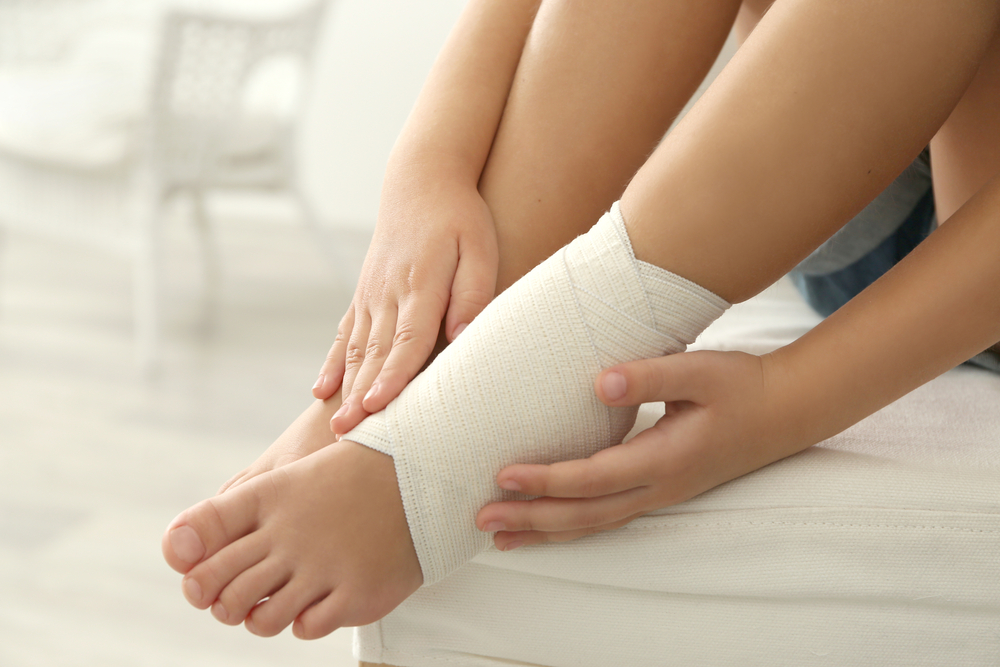
 A high ankle sprain, also known as a syndesmosis injury, can occur when the ankle is forcefully twisted upwards and away from your body during physical activity. This can happen while playing contact sports. For example, if somebody falls onto the outside of your ankle, it may force the ankle to move beyond its normal range, resulting in a high ankle sprain. A high ankle sprain differs from the more common lateral ankle sprain by its symptoms. While a lateral ankle sprain is painful, the pain from a high ankle sprain is usually more severe. It may be extremely difficult to bear weight on the ankle. However, high ankle sprains generally don’t bruise or swell as much as lateral ankle sprains. If you sustain any type of ankle sprain, it is suggested that you see a podiatrist for treatment.
Although ankle sprains are common, they aren’t always minor injuries. If you need your ankle injury looked at, contact Barry P. Weinstein, DPM from Bellaire Podiatry. Our doctor can provide the care you need to keep you pain-free and on your feet.
How Does an Ankle Sprain Occur?
Ankle sprains are the result of a tear in the ligaments within the ankle. These injuries may happen when you make a rapid shifting movement while your foot is planted. A less common way to sprain your ankle is when your ankle rolls inward while your foot turns outward.
What Are the Symptoms?
Preventing a Sprain
Treatment of a Sprain
In many cases, the RICE method (Rest, Ice, Compression, and Elevate) is used to treat ankle sprains. However, you should see a podiatrist to see which treatment option would work best with your injury. In severe cases, surgery may be required.
It is important to ask your doctor about rehab options after you receive treatment for your injury. Stretching, strength training, and balance exercises may help the ankle heal while also preventing further injury.
If you have any questions, please feel free to contact one of our offices located in Bellaire and Houston, TX . We offer the newest diagnostic and treatment technologies for all your foot care needs.
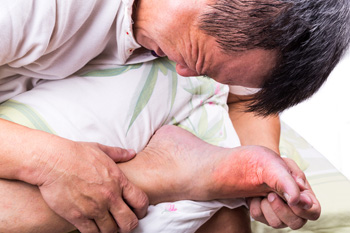 Gout is a condition that generally affects the joints in the big toe. It is a form of arthritis, and can cause severe pain and discomfort. It occurs as a result of excess uric acid in the blood which forms crystals that lodge in the joints. An abundance of uric acid can come from genetic factors, or from eating foods that have elevated purine levels. These foods can include shellfish, red meat, and drinks that are made with large amounts of sugar. Additionally, gout can form due to obesity, kidney disease, or from taking specific types of medications. It is beneficial to incorporate healthy foods into your diet, and it is helpful to drink plenty of fresh water daily. If you are afflicted with gout, it is strongly suggested that you are under the care of a podiatrist who can effectively diagnose and treat this condition.
Gout is a foot condition that requires certain treatment and care. If you are seeking treatment, contact Barry P. Weinstein, DPM from Bellaire Podiatry. Our doctor will treat your foot and ankle needs.
What Is Gout?
Gout is a type of arthritis caused by a buildup of uric acid in the bloodstream. It often develops in the foot, especially the big toe area, although it can manifest in other parts of the body as well. Gout can make walking and standing very painful and is especially common in diabetics and the obese.
People typically get gout because of a poor diet. Genetic predisposition is also a factor. The children of parents who have had gout frequently have a chance of developing it themselves.
Gout can easily be identified by redness and inflammation of the big toe and the surrounding areas of the foot. Other symptoms include extreme fatigue, joint pain, and running high fevers. Sometimes corticosteroid drugs can be prescribed to treat gout, but the best way to combat this disease is to get more exercise and eat a better diet.
If you have any questions please feel free to contact one of our offices located in Bellaire and Houston, TX . We offer the newest diagnostic and treatment technologies for all your foot and ankle needs.
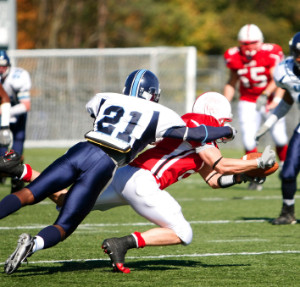 Turf toe is an injury that results from the big toe bending, or hyper extending, too far towards the top of the foot. Turf toe is a common football injury that can frequently occur as a result of playing on artificial turf. Athletes of other sports that use hard surfaces, such as ballet dancers, basketball players, and wrestlers, are also at a higher risk of developing turf toe. The most common sign of turf toe is pain around the big toe, as well as tenderness, swelling, immobility, and stiffness in the joints. Patients who are struggling to walk due to the pain around the toe should visit a podiatrist for a proper assessment. A podiatrist will likely take an X-ray and provide treatment options depending on the severity of the injury.
Sports related foot and ankle injuries require proper treatment before players can go back to their regular routines. For more information, contact Barry P. Weinstein, DPM of Bellaire Podiatry. Our doctor can provide the care you need to keep you pain-free and on your feet.
Sports Related Foot and Ankle Injuries
Foot and ankle injuries are a common occurrence when it comes to athletes of any sport. While many athletes dismiss the initial aches and pains, the truth is that ignoring potential foot and ankle injuries can lead to serious problems. As athletes continue to place pressure and strain the area further, a mild injury can turn into something as serious as a rupture and may lead to a permanent disability. There are many factors that contribute to sports related foot and ankle injuries, which include failure to warm up properly, not providing support or wearing bad footwear. Common injuries and conditions athletes face, including:
Sports related injuries are commonly treated using the RICE method. This includes rest, applying ice to the injured area, compression and elevating the ankle. More serious sprains and injuries may require surgery, which could include arthroscopic and reconstructive surgery. Rehabilitation and therapy may also be required in order to get any recovering athlete to become fully functional again. Any unusual aches and pains an athlete sustains must be evaluated by a licensed, reputable medical professional.
If you have any questions please feel free to contact one of our offices located in Bellaire and Houston, TX . We offer the newest diagnostic and treatment technologies for all your foot and ankle needs.
 While running is great exercise, damage to the feet and ankles are a common occurrence among runners and should be something to look out for. Achilles tendonitis and plantar fasciitis are two common conditions caused by overuse. Both conditions are characterized by pain and inflammation in the ankle or foot. Another common issue in runners is a fungal infection of the skin of the feet known as athlete’s foot. Blisters, which are caused by friction from your shoes rubbing repetitively against specific areas of your foot while you run, and runner’s toe, which is a buildup of blood from burst vessels underneath your toenail, are also frequent injuries. If you are a runner and frequently experience any of these conditions, it is suggested that you consult with a podiatrist.
Exercising your feet regularly with the proper foot wear is a great way to prevent injuries. If you have any concerns about your feet, contact Barry P. Weinstein, DPM of Bellaire Podiatry. Our doctor will treat your foot and ankle needs.
How to Prevent Running Injuries
Many common running injuries are caused by overuse and overtraining. When the back of the kneecap starts wearing out and starts causing pain in your knee, this is commonly referred to as runner’s knee. Runner’s knee is a decrease in strength in your quadriceps and can occur if you’re not wearing properly fitted or supporting shoes. To prevent runner’s knee, focusing on hip strengthening is a good idea, as well as strengthening your quads to keep the kneecaps aligned.
What Are Some Causes of Running Injuries?
- One cause of a common running injury is called iliotibial band syndrome.
- Plantar fasciitis is also another common injury.
- Stress fractures can occur from overtraining, lack of calcium, or even your running style.
Best Ways to Prevent Running Injuries
- Wear footwear that fits properly and suits your running needs.
- Running shoes are the only protective gear that runners have to safeguard them from injury.
- Make a training schedule. Adding strengthening exercises as well as regular stretching can help keep you strong and limber and can lessen the possibility of injuries.
- Stretching keeps muscles limber; this will help you gain better flexibility.
If you have any questions please feel free to contact one of our offices located in Bellaire and Houston, TX . We offer the newest diagnostic and treatment technologies for all your foot and ankle needs.
 Falling can be a devastating experience and may cause pain and discomfort. For people who are over sixty-five years of age, falling can hinder their health and independence. Injuries such as broken toes and ankles can be common if falling occurs. There are methods that can be implemented that can help to prevent falling. These tips may include improving the lighting in the household, in addition to having existing medications reviewed by having regular examinations. It can be beneficial to perform stretching and toning exercises in order to help maintain strength in the body. Many patients find falling episodes can be reduced when grab bars are installed in the shower and the toilet area, and bath mats are used while bathing. If you would like more information about how falling can affect the feet, and would like to learn more about preventative methods, please consult with a podiatrist.
Preventing falls among the elderly is very important. If you are older and have fallen or fear that you are prone to falling, consult with Barry P. Weinstein, DPM from Bellaire Podiatry. Our doctor will assess your condition and provide you with quality advice and care.
Every 11 seconds, an elderly American is being treated in an emergency room for a fall related injury. Falls are the leading cause of head and hip injuries for those 65 and older. Due to decreases in strength, balance, senses, and lack of awareness, elderly persons are very susceptible to falling. Thankfully, there are a number of things older persons can do to prevent falls.
How to Prevent Falls
Some effective methods that older persons can do to prevent falls include:
Falling can be a traumatic and embarrassing experience for elderly persons; this can make them less willing to leave the house, and less willing to talk to someone about their fears of falling. Doing such things, however, will increase the likelihood of tripping or losing one’s balance. Knowing the causes of falling and how to prevent them is the best way to mitigate the risk of serious injury.
If you have any questions, please feel free to contact one of our offices located in Bellaire and Houston, TX . We offer the newest diagnostic and treatment technologies for all your foot care needs.
 When children learn to walk, it is beneficial to have them walk barefoot while indoors. When it is time to walk outdoors, it is important to ensure they wear shoes that fit correctly. This can be accomplished by having your child’s feet properly measured by using a Brannock device. The majority of children have feet that are different sizes, and the larger size shoe should be purchased. When the shoes are tried on, it is beneficial to have the child wiggle their toes to make sure there is adequate room in the top of the shoe. Shoes that are comfortable are often made from breathable materials and are lightweight. If you would like additional information about how to buy shoes for your child, please consult with a podiatrist who can help you to choose the correct shoes.
The health of a child’s feet is vital to their overall well-being. If you have any questions regarding foot health, contact Barry P. Weinstein, DPM of Bellaire Podiatry. Our doctor can provide the care you need to keep you pain-free and on your feet.
Tips for Keeping Children's Feet Healthy
If you have any questions, please feel free to contact one of our offices located in Bellaire and Houston, TX . We offer the newest diagnostic and treatment technologies for all your foot care needs.
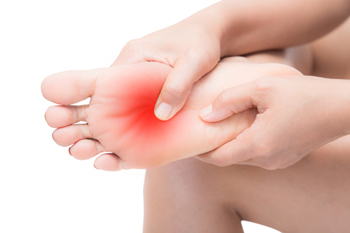
The forefoot refers to the front part of the foot and includes the metatarsal bones, toe bones, and their connective tissues. There are many different conditions which could cause pain in the forefoot. Metatarsalgia is a general term used to refer to pain and tenderness in the ball of the foot. Potential causes of metatarsalgia include toe misalignment, arthritis, or wearing poorly fitted shoes. Sesamoiditis is a painful inflammation of the sesamoid bones located beneath the big toe joint. Morton’s neuroma is a painful condition caused by a pinched nerve between the toes. Toe pain may be caused by arthritis, bunions, hammertoes, or gout. If you have any pain in your forefoot, it is suggested that you consult with a podiatrist, who can diagnose the problem and offer effective treatments.
Foot Pain
Foot pain can be extremely painful and debilitating. If you have a foot pain, consult with Barry P. Weinstein, DPM from Bellaire Podiatry. Our doctor will assess your condition and provide you with quality foot and ankle treatment.
Causes
Foot pain is a very broad condition that could be caused by one or more ailments. The most common include:
Diagnosis
To figure out the cause of foot pain, podiatrists utilize several different methods. This can range from simple visual inspections and sensation tests to X-rays and MRI scans. Prior medical history, family medical history, and any recent physical traumatic events will all be taken into consideration for a proper diagnosis.
Treatment
Treatment depends upon the cause of the foot pain. Whether it is resting, staying off the foot, or having surgery; podiatrists have a number of treatment options available for foot pain.
If you have any questions, please feel free to contact one of our offices located in Bellaire and Houston, TX . We offer the newest diagnostic and treatment technologies for all your foot care needs.
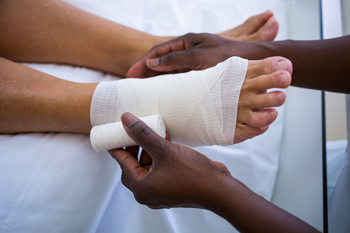 Leg ulcers are poorly healing sores or wounds that develop on the legs and are often caused by poor circulation. While leg ulcers can be painful, those who have a combination of poor circulation and nerve damage may not feel any pain. However, if you notice symptoms such as open sores, wounds that are increasing in size, pus in the affected area, leg swelling, or enlarged veins, it is important to seek prompt medical attention. Without treatment, leg ulcers can become chronic and lead to serious complications such as infection. If you have ulcers on your lower legs or feet, please consult with a podiatrist.
Wound care is an important part in dealing with diabetes. If you have diabetes and a foot wound or would like more information about wound care for diabetics, consult with Barry P. Weinstein, DPM from Bellaire Podiatry. Our doctor will assess your condition and provide you with quality foot and ankle treatment.
What Is Wound Care?
Wound care is the practice of taking proper care of a wound. This can range from the smallest to the largest of wounds. While everyone can benefit from proper wound care, it is much more important for diabetics. Diabetics often suffer from poor blood circulation which causes wounds to heal much slower than they would in a non-diabetic.
What Is the Importance of Wound Care?
While it may not seem apparent with small ulcers on the foot, for diabetics, any size ulcer can become infected. Diabetics often also suffer from neuropathy, or nerve loss. This means they might not even feel when they have an ulcer on their foot. If the wound becomes severely infected, amputation may be necessary. Therefore, it is of the upmost importance to properly care for any and all foot wounds.
How to Care for Wounds
The best way to care for foot wounds is to prevent them. For diabetics, this means daily inspections of the feet for any signs of abnormalities or ulcers. It is also recommended to see a podiatrist several times a year for a foot inspection. If you do have an ulcer, run the wound under water to clear dirt from the wound; then apply antibiotic ointment to the wound and cover with a bandage. Bandages should be changed daily and keeping pressure off the wound is smart. It is advised to see a podiatrist, who can keep an eye on it.
If you have any questions, please feel free to contact one of our offices located in Bellaire and Houston, TX . We offer the newest diagnostic and treatment technologies for all your foot care needs.
Gout is a type of arthritis that occurs due to a buildup of uric acid, which is a waste product usually found in the blood. This uric acid can build up because the kidneys do not excrete it fast enough, or because too much is made. The excess uric acid can then crystallize in the joints and lead to inflammation. While gout usually affects the big toe, it can affect any other joint in the body as well. Severe pain or swelling in the joints, redness of the skin around the joint, and limited movement of the joint can all be indicators of gout. Reducing alcohol intake, losing weight, having a balanced diet, and drinking enough water can reduce the risk of developing gout. If you believe that you are suffering from gout, consult with a podiatrist for proper diagnosis and treatment.
Gout is a painful condition that can be treated. If you are seeking treatment, contact Barry P. Weinstein, DPM from Bellaire Podiatry. Our doctor will treat your foot and ankle needs.
What Is Gout?
Gout is a form of arthritis that is characterized by sudden, severe attacks of pain, redness, and tenderness in the joints. The condition usually affects the joint at the base of the big toe. A gout attack can occur at any random time, such as the middle of the night while you are asleep.
Symptoms
Risk Factors
Prior to visiting your podiatrist to receive treatment for gout, there are a few things you should do beforehand. If you have gout you should write down your symptoms--including when they started and how often you experience them, important medical information you may have, and any questions you may have. Writing down these three things will help your podiatrist in assessing your specific situation so that he or she may provide the best route of treatment for you.
If you have any questions, please feel free to contact one of our offices located in Bellaire and Houston, TX . We offer the newest diagnostic and treatment technologies for all your foot care needs.
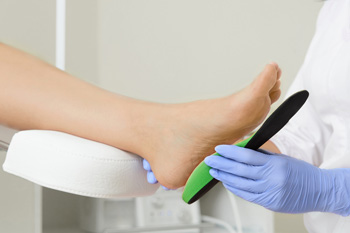 Living with daily foot pain can disrupt the quality of your life. It may cause difficulty completing daily activities. Simple things like walking and standing may become overwhelming. Many patients who are afflicted with foot pain are prescribed orthotics. Orthotics are custom made inserts that fit inside of the shoe. They are known to relieve pressure by redistributing the body’s weight, and may help in making everyday tasks more manageable. Some of the ailments orthotics can be used for include bunions, rheumatoid arthritis, and heel or arch pain, which may be caused by plantar fasciitis. If you have any type of foot pain, it is strongly recommended that you consult with a podiatrist who can determine if orthotics are right for you.
If you are having discomfort in your feet and would like to try orthotics, contact Barry P. Weinstein, DPM from Bellaire Podiatry. Our doctor can provide the care you need to keep you pain-free and on your feet.
What Are Orthotics?
Orthotics are inserts you can place into your shoes to help with a variety of foot problems such as flat feet or foot pain. Orthotics provide relief and comfort for minor foot and heel pain but can’t correct serious biomechanical problems in your feet.
Over-the-Counter Inserts
Orthotics come in a wide variety of over-the-counter inserts that are used to treat foot pain, heel pain, and minor problems. For example, arch supports can be inserted into your shoes to help correct overarched or flat feet, while gel insoles are often used because they provide comfort and relief from foot and heel pain by alleviating pressure.
Prescription Orthotics
If over-the-counter inserts don’t work for you or if you have a more severe foot concern, it is possible to have your podiatrist prescribe custom orthotics. These high-quality inserts are designed to treat problems such as abnormal motion, plantar fasciitis, and severe forms of heel pain. They can even be used to help patients suffering from diabetes by treating foot ulcers and painful calluses and are usually molded to your feet individually, which allows them to provide full support and comfort.
If you are experiencing minor to severe foot or heel pain, it’s recommended to speak with your podiatrist about the possibilities of using orthotics. A podiatrist can determine which type of orthotic is right for you and allow you to take the first steps towards being pain-free.
If you have any questions please contact one of our offices located in Bellaire and Houston, TX . We offer the newest diagnostic and treatment technologies for all your foot and ankle needs.
Read more about Foot Orthotics





 accessibility - Default