
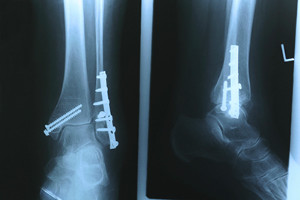
 A stress fracture is defined as a hairline fracture that is generally the result of stress the bones endure from high impact activities such as running. Because of this, the feet and lower legs are often susceptible to developing a stress fracture. It is beneficial to implement adequate recovery procedures, despite the fact that many athletes choose to run through the pain and discomfort. A full recovery often begins with refraining from running for approximately four to six weeks, in addition to performing strengthening and flexibility exercises. If the stress fracture is severe, a boot may be worn for stability as the healing process occurs. If you have pain in your foot that increases gradually, it is strongly suggested that you visit a podiatrist who can diagnose and treat any potential stress fractures.
Activities where too much pressure is put on the feet can cause stress fractures. To learn more, contact Barry P. Weinstein, DPM from Bellaire Podiatry. Our doctor can provide the care you need to keep your pain free and on your feet.
Dealing with Stress Fractures of the Foot and Ankle
Stress fractures occur in the foot and ankle when muscles in these areas weaken from too much or too little use. The feet and ankles then lose support when walking or running from the impact of the ground. Since there is no protection, the bones receive the full impact of each step. Stress on the feet can cause cracks to form in the bones, thus creating stress fractures.
What Are Stress Fractures?
Stress fractures occur frequently in individuals whose daily activities cause great impact on the feet and ankles. Stress factors are most common among:
Symptoms
Pain from the fractures occur in the area of the fractures and can be constant or intermittent. It will often cause sharp or dull pain with swelling and tenderness. Engaging in any kind of activity which involves high impact will aggravate pain.
If you have any questions please feel free to contact one of our offices located in Bellaire and Houston, TX . We offer the newest diagnostic and treatment technologies for all your foot and ankle needs.
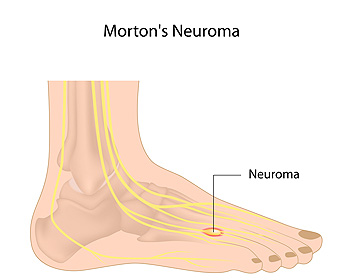
Morton’s neuroma is a foot condition in which a nerve in the ball of the foot becomes inflamed. This usually happens to the nerve located between the third and fourth toes. Symptoms of this condition include pain, an achy or burning sensation, numbness, tingling, or prickling that spreads to the toes, and the strange sensation that you're walking on a pebble. It is thought that wearing tight shoes with high heels or pointed toes and repeated trauma to the ball of the foot can increase your risk of developing Morton’s neuroma. The goal of treatment for this condition is to reduce pressure, pain, and swelling, which is often done through footwear and activity modifications, resting and icing the affected foot, and taking anti-inflammatory medications. If you are experiencing the symptoms of Morton’s neuroma, please consult with a podiatrist.
Morton’s neuroma is a very uncomfortable condition to live with. If you think you have Morton’s neuroma, contact Barry P. Weinstein, DPM of Bellaire Podiatry. Our doctor will attend to all of your foot care needs and answer any of your related questions.
Morton’s Neuroma
Morton's neuroma is a painful foot condition that commonly affects the areas between the second and third or third and fourth toe, although other areas of the foot are also susceptible. Morton’s neuroma is caused by an inflamed nerve in the foot that is being squeezed and aggravated by surrounding bones.
What Increases the Chances of Having Morton’s Neuroma?
Morton’s neuroma is a very treatable condition. Orthotics and shoe inserts can often be used to alleviate the pain on the forefront of the feet. In more severe cases, corticosteroids can also be prescribed. In order to figure out the best treatment for your neuroma, it’s recommended to seek the care of a podiatrist who can diagnose your condition and provide different treatment options.
If you have any questions, please feel free to contact one of our offices located in Bellaire and Houston, TX . We offer the newest diagnostic and treatment technologies for all your foot care needs.
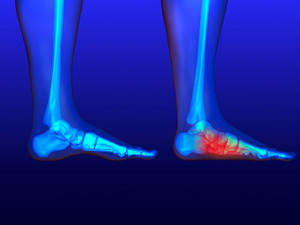 The medical name for flat feet is pes planus. Flat feet are a foot condition that affects the arch, which can be absent or extremely low. Many patients have no symptoms with this condition, and it does not interfere with accomplishing daily activities. Some people, however, are severely affected by flat feet, and can experience symptoms that often include easily becoming tired, pain in the heel and arch area, and difficulty standing on the toes. Flat feet can be caused by genetic factors, foot injury, aging, and pregnancy. There are three groups of flat feet. Mild cases may be relieved when arch supports are used. Moderate flat feet may affect the Achilles tendon, and can be painful. If flat feet are severe, the foot may be deformed. It is suggested that patients who have any type of flat feet be under the care of a podiatrist who can effectively treat this condition.
Flatfoot is a condition many people suffer from. If you have flat feet, contact Barry P. Weinstein, DPM from Bellaire Podiatry. Our doctor will treat your foot and ankle needs.
What Are Flat Feet?
Flatfoot is a condition in which the arch of the foot is depressed and the sole of the foot is almost completely in contact with the ground. About 20-30% of the population generally has flat feet because their arches never formed during growth.
Conditions & Problems:
Having flat feet makes it difficult to run or walk because of the stress placed on the ankles.
Alignment – The general alignment of your legs can be disrupted, because the ankles move inward which can cause major discomfort.
Knees – If you have complications with your knees, flat feet can be a contributor to arthritis in that area.
Symptoms
Treatment
If you are experiencing pain and stress on the foot you may weaken the posterior tibial tendon, which runs around the inside of the ankle.
If you have any questions please feel free to contact one of our offices located in Bellaire and Houston, TX . We offer the newest diagnostic and treatment technologies for all your foot and ankle needs.

Cracked heels are also be known as heel fissures. They are usually caused by excessively dry skin. While cracked heels are often a purely cosmetic problem, they can become quite painful if the cracks are deep. In rare cases, the cracks may be deep and severely painful, can bleed, and can raise the risk of an infection. But even small cracks on the heels can allow tiny fungi or viruses to get in and infect the skin of the feet, causing athlete’s foot or plantar warts to develop. If you have cracked heels, home treatment methods, such as soaking the feet in warm water, exfoliating the heels with a pumice stone, and applying a thick moisturizer, can be a great help. However, if your cracked heels are deep, painful, or showing signs of infection, or if you have diabetes, it is suggested that you see a podiatrist for treatment.
If the skin on your feet starts to crack, you may want to see a podiatrist to find treatment. If you have any concerns, contact Barry P. Weinstein, DPM from Bellaire Podiatry. Our doctor can provide the care you need to keep you pain-free and on your feet.
Cracked Heels
It is important to moisturize your cracked heels in order to prevent pain, bleeding, and infection. The reason cracked heels form is because the skin on the foot is too dry to support the immense pressure placed on them. When the foot expands, the dry skin on the foot begins to split.
Ways to Help Heal Them
Ways to Prevent Cracked Heels
If you are unsure how to proceed in treating cracked heels, seek guidance from a podiatrist. Your doctor will help you with any questions or information you may need.
If you have any questions, please feel free to contact one of our offices located in Bellaire and Houston, TX . We offer the newest diagnostic and treatment technologies for all your foot care needs.

Have your child's feet been examined lately? Healthy feet are happy feet. If your child is complaining of foot pain, it may be a sign of underlying problems.
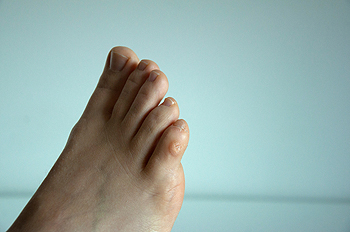 People who develop corns on their feet are often aware of the pain and discomfort they can cause. They are generally categorized into three types, consisting of hard, soft, and seed corns. A soft corn can appear as a result of wearing shoes that do not fit correctly. They are found between the toes, and remain moist from wearing shoes and socks for the majority of the day. Hard corns are on top of the toes. A small cluster of corns on the sole of the foot may represent seed corns. Some patients have found mild relief when a protective pad is worn over the corn, or between the toes. This may help to reduce a portion of the friction that can cause corns to form. If you have developed corns on your feet, an appointment with a podiatrist can be helpful in determining what the best course of treatment is for you.
If you have any concerns regarding your feet and ankles, contact Barry P. Weinstein, DPM of Bellaire Podiatry. Our doctor will treat your foot and ankle needs.
Corns: What Are They? and How Do You Get Rid of Them?
Corns can be described as areas of the skin that have thickened to the point of becoming painful or irritating. They are often layers and layers of the skin that have become dry and rough, and are normally smaller than calluses.
Ways to Prevent Corns
There are many ways to get rid of painful corns such as wearing:
Treating Corns
Treatment of corns involves removing the dead skin that has built up in the specific area of the foot. Consult with Our doctor to determine the best treatment option for your case of corns.
If you have any questions please feel free to contact one of our offices located in Bellaire and Houston, TX . We offer the newest diagnostic and treatment technologies for all your foot and ankle needs.
 Many people across the globe suffer from heel pain. It can occur from a variety of foot conditions, including plantar fasciitis, arthritis, or possibly from an Achilles tendon injury. There are patients who develop heel spurs, and the symptoms are often similar to those of plantar fasciitis, which can consist of heel pain in the morning after arising. If an injury has occurred, it may also result in a heel fracture. Common symptoms of this type of heel condition can include swelling, excessive pain, difficulty walking. There are many methods of treating heel pain, and it is strongly suggested that you consult with a podiatrist who can determine what the best healing technique is for you.
Many people suffer from bouts of heel pain. For more information, contact Barry P. Weinstein, DPM of Bellaire Podiatry. Our doctor can provide the care you need to keep you pain-free and on your feet.
Causes of Heel Pain
Heel pain is often associated with plantar fasciitis. The plantar fascia is a band of tissues that extends along the bottom of the foot. A rip or tear in this ligament can cause inflammation of the tissue.
Achilles tendonitis is another cause of heel pain. Inflammation of the Achilles tendon will cause pain from fractures and muscle tearing. Lack of flexibility is also another symptom.
Heel spurs are another cause of pain. When the tissues of the plantar fascia undergo a great deal of stress, it can lead to ligament separation from the heel bone, causing heel spurs.
Why Might Heel Pain Occur?
Treatments
Heel pain should be treated as soon as possible for immediate results. Keeping your feet in a stress-free environment will help. If you suffer from Achilles tendonitis or plantar fasciitis, applying ice will reduce the swelling. Stretching before an exercise like running will help the muscles. Using all these tips will help make heel pain a condition of the past.
If you have any questions please contact one of our offices located in Bellaire and Houston, TX . We offer the newest diagnostic and treatment technologies for all your foot and ankle needs.
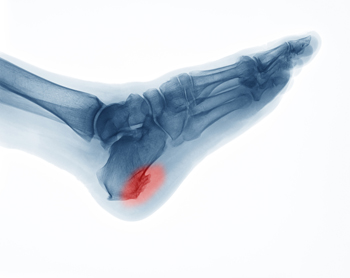 Sever’s disease, also known as calcaneal apophysitis, is an injury of the growth plate in the heel bone that is caused by repetitive trauma to the area. It often affects both heels simultaneously. This condition is most common among children and adolescents between the ages of 9 and 12 as they go through a rapid growth spurt. Sever’s disease occurs more often in males than females. Children who participate in sports that require frequent running and jumping, such as basketball, soccer, track, cross-country, and gymnastics are most at risk. If your child complains of heel pain or is walking with a limp, it is suggested that you take them to see a podiatrist who can diagnose and treat their condition.
Sever's disease often occurs in children and teens. If your child is experiencing foot or ankle pain, see Barry P. Weinstein, DPM from Bellaire Podiatry. Our doctor can treat your child’s foot and ankle needs.
Sever’s Disease
Sever’s disease is also known as calcaneal apophysitis, which is a medical condition that causes heel pain I none or both feet. The disease is known to affect children between the ages of 8 and 14.
Sever’s disease occurs when part of the child’s heel known as the growth plate (calcaneal epiphysis) is attached to the Achilles tendon. This area can suffer injury when the muscles and tendons of the growing foot do not keep pace with bone growth. Therefore, the constant pain which one experiences at the back of the heel will make the child unable to put any weight on the heel. The child is then forced to walk on their toes.
Symptoms
Acute pain – Pain associated with Sever’s disease is usually felt in the heel when the child engages in physical activity such as walking, jumping and or running.
Highly active – Children who are very active are among the most susceptible in experiencing Sever’s disease, because of the stress and tension placed on their feet.
If you have any questions, please feel free to contact one of our offices located in Bellaire and Houston, TX . We offer the newest diagnostic and treatment technologies for all your foot and ankle injuries.
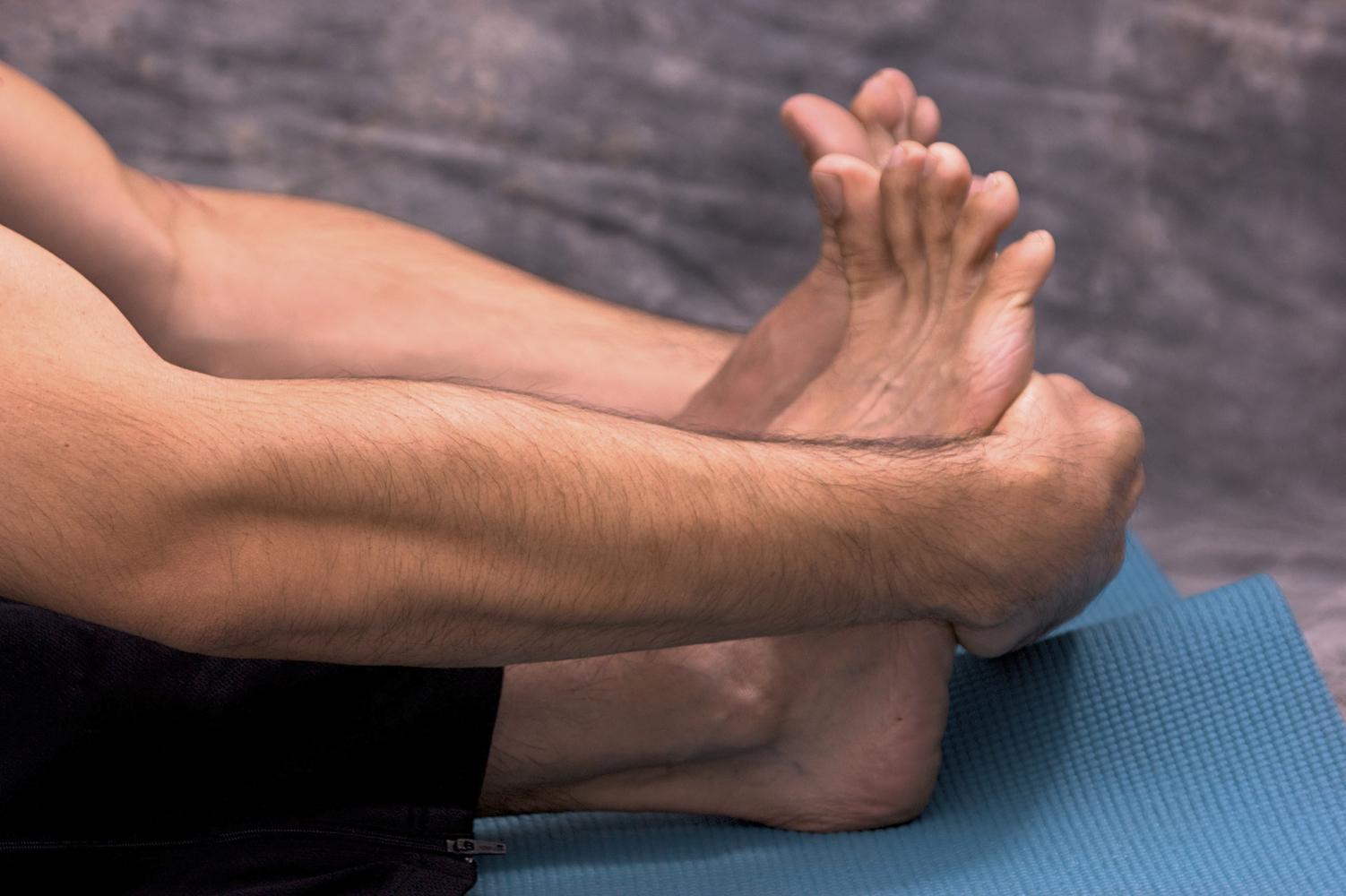 Did you know that stretching your feet can help relieve foot pain and prevent future injuries? Stretching the ankles can improve mobility in and around the ankle joint. One ankle stretch that you may want to try is the heel slide. To do this stretch, sit in a chair with your toes pointing forwards and your heels on the floor. Keeping your foot flat on the floor, slide your heel backwards and hold for several seconds. Repeat on each foot 20 times. To learn more about the benefits of foot stretches, and how to stretch your feet for maximum benefits, please consult with a podiatrist.
Stretching the feet is a great way to prevent injuries. If you have any concerns with your feet consult with Barry P. Weinstein, DPM from Bellaire Podiatry. Our doctor will assess your condition and provide you with quality foot and ankle treatment.
Stretching the Feet
Being the backbone of the body, the feet carry your entire weight and can easily become overexerted, causing cramps and pain. As with any body part, stretching your feet can serve many benefits. From increasing flexibility to even providing some pain relief, be sure to give your feet a stretch from time to time. This is especially important for athletes or anyone performing aerobic exercises, but anyone experiencing foot pain or is on their feet constantly should also engage in this practice.
Great ways to stretch your feet:
Individuals who tend to their feet by regular stretching every day should be able to minimize foot pain and prevent new problems from arising.
If you have any questions, please feel free to contact one of our offices located in Bellaire and Houston, TX . We offer the newest diagnostic and treatment technologies for all your foot care needs.
Read more about Stretching Your Feet
Your feet are covered most of the day. If you're diabetic, periodic screening is important for good health. Numbness is often a sign of diabetic foot and can mask a sore or wound.





 accessibility - Default