
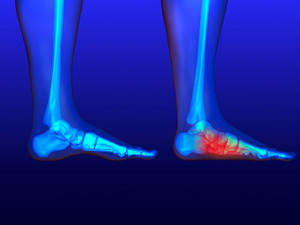
 The medical condition that is known as flat feet is defined as an absent arch in the foot. Many people are born with flat feet, and the arch typically develops as the aging process occurs. Patients who have flat feet may experience an achy feeling in the feet, and the feet may feel weak or stiff. Additionally, patients may find their shoes are wearing out quicker than they normally would, and it is beneficial to choose shoes that fit properly. Comfort may be found when insoles are worn inside the shoes, and this may help to provide adequate support that is needed to complete daily activities. If you or your child has flat feet, it is suggested that you schedule an appointment with a podiatrist who can properly monitor this condition.
Flatfoot is a condition many people suffer from. If you have flat feet, contact Barry P. Weinstein, DPM from Bellaire Podiatry. Our doctor will treat your foot and ankle needs.
What Are Flat Feet?
Flatfoot is a condition in which the arch of the foot is depressed and the sole of the foot is almost completely in contact with the ground. About 20-30% of the population generally has flat feet because their arches never formed during growth.
Conditions & Problems:
Having flat feet makes it difficult to run or walk because of the stress placed on the ankles.
Alignment – The general alignment of your legs can be disrupted, because the ankles move inward which can cause major discomfort.
Knees – If you have complications with your knees, flat feet can be a contributor to arthritis in that area.
Symptoms
Treatment
If you are experiencing pain and stress on the foot you may weaken the posterior tibial tendon, which runs around the inside of the ankle.
If you have any questions please feel free to contact one of our offices located in Bellaire and Houston, TX . We offer the newest diagnostic and treatment technologies for all your foot and ankle needs.
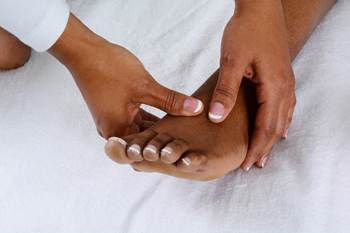 There are several areas in the foot that can feel pain due to specific conditions that may have developed. Heel pain may be indicative of plantar fasciitis and heel spurs, and can cause severe discomfort. Toe pain may signify a bunion, hammertoe, or the arthritic condition that is referred to as gout. A nerve condition that is known as Morton’s neuroma may cause pain in the area between the third and fourth toes, and can be caused by wearing shoes that do not have adequate room for the toes to move freely in. If you are afflicted with any type of foot pain, it is strongly advised that you are under the care of a podiatrist who can diagnose and treat various foot and ankle disorders.
Foot Pain
Foot pain can be extremely painful and debilitating. If you have a foot pain, consult with Barry P. Weinstein, DPM from Bellaire Podiatry. Our doctor will assess your condition and provide you with quality foot and ankle treatment.
Causes
Foot pain is a very broad condition that could be caused by one or more ailments. The most common include:
Diagnosis
To figure out the cause of foot pain, podiatrists utilize several different methods. This can range from simple visual inspections and sensation tests to X-rays and MRI scans. Prior medical history, family medical history, and any recent physical traumatic events will all be taken into consideration for a proper diagnosis.
Treatment
Treatment depends upon the cause of the foot pain. Whether it is resting, staying off the foot, or having surgery; podiatrists have a number of treatment options available for foot pain.
If you have any questions, please feel free to contact one of our offices located in Bellaire and Houston, TX . We offer the newest diagnostic and treatment technologies for all your foot care needs.
 Research has indicated that when high heels are worn frequently, damage may be done to the feet. The calf muscles may become shorter, which may cause Achilles tendon injuries. Additionally, uncomfortable foot conditions may develop as a result of inadequate room in the front of the shoe for yur toes. These can include bunions, hammertoes, corns, and blisters. Many women balance the desire to wear high heels by alternating with shoes that have a lower heel. Additionally, falling may be prevented when specific foot and ankle stretches are practiced, which can help the overall foot to become stronger. If you would like more information about how the feet are impacted by high heels, it is suggested that you consult with a podiatrist.
High heels have a history of causing foot and ankle problems. If you have any concerns about your feet or ankles, contact Barry P. Weinstein, DPM from Bellaire Podiatry. Our doctor can provide the care you need to keep you pain-free and on your feet.
Effects of High Heels on the Feet
High heels are popular shoes among women because of their many styles and societal appeal. Despite this, high heels can still cause many health problems if worn too frequently.
Which Parts of My Body Will Be Affected by High Heels?
What Kinds of Foot Problems Can Develop from Wearing High Heels?
How Can I Still Wear High Heels and Maintain Foot Health?
If you want to wear high heeled shoes, make sure that you are not wearing them every day, as this will help prevent long term physical problems. Try wearing thicker heels as opposed to stilettos to distribute weight more evenly across the feet. Always make sure you are wearing the proper shoes for the right occasion, such as sneakers for exercising. If you walk to work, try carrying your heels with you and changing into them once you arrive at work. Adding inserts to your heels can help cushion your feet and absorb shock. Full foot inserts or metatarsal pads are available.
If you have any questions please feel free to contact one of our offices located in Bellaire and Houston, TX . We offer the newest diagnostic and treatment technologies for all your foot and ankle needs.

If left untreated, an ingrown toenail can lead to more serious concerns, such as an infection. Knowing proper nail care can help in the prevention of an ingrown toenail. Give us a call, and get treated!
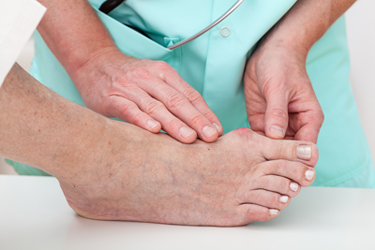 The place on the foot where bunions develop is the bottom of the big toe. Common symptoms that are present in larger bunions can consist of pain and swelling on and around the affected area, and skin that has become calloused on top of the bunion. Additionally, it may be difficult to wear shoes that are normally worn, and larger shoes may have to be purchased so the feet can feel comfortable. Patients who have developed bunions may have prior medical conditions that can include arthritis, cerebral palsy, in addition to genetics playing a significant role in developing a bunion. Mild relief may be found when custom-made orthotics are worn, and it may help to wear a protective pad over the bunion. If you have a bunion, and would like additional information about effective treatment options, please consult with a podiatrist.
If you are suffering from bunions, contact Barry P. Weinstein, DPM of Bellaire Podiatry. Our doctor can provide the care you need to keep you pain-free and on your feet.
What Is a Bunion?
A bunion is formed of swollen tissue or an enlargement of boney growth, usually located at the base joint of the toe that connects to the foot. The swelling occurs due to the bones in the big toe shifting inward, which impacts the other toes of the foot. This causes the area around the base of the big toe to become inflamed and painful.
Why Do Bunions Form?
Genetics – Susceptibility to bunions are often hereditary
Stress on the feet – Poorly fitted and uncomfortable footwear that places stress on feet, such as heels, can worsen existing bunions
How Are Bunions Diagnosed?
Doctors often perform two tests – blood tests and x-rays – when trying to diagnose bunions, especially in the early stages of development. Blood tests help determine if the foot pain is being caused by something else, such as arthritis, while x-rays provide a clear picture of your bone structure to your doctor.
How Are Bunions Treated?
If you have any questions, please feel free to contact one of our offices located in Bellaire and Houston, TX . We offer the newest diagnostic and treatment technologies for all your foot care needs.
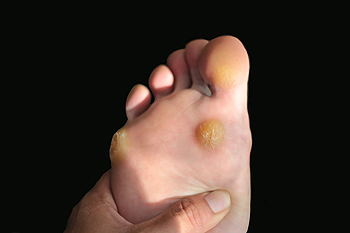 Patients who have had a plantar wart are often aware of the pain and discomfort this ailment may cause. It is defined as a virus that forms a wart on the sole of the foot. It differs from a common wart that is found on the hands because it grows into the bottom of the foot. This is a result of the pressure that comes from walking and standing for the majority of the day. Some of the symptoms that are associated with this condition can consist of extreme pain and discomfort, and tiny black dots may form in the center of the wart. It is considered to be a contagious virus, and may live on the surfaces of public pools, locker rooms, and communal shower room floors. If you notice a small, rough area on the bottom of your foot, you may have developed a plantar wart, and it is suggested that you consult with a podiatrist who can offer you the best treatment options.
Plantar warts can be very uncomfortable. If you need your feet checked, contact Barry P. Weinstein, DPM from Bellaire Podiatry. Our doctor will assist you with all of your foot and ankle needs.
About Plantar Warts
Plantar warts are the result of HPV, or human papillomavirus, getting into open wounds on the feet. They are mostly found on the heels or balls of the feet.
While plantar warts are generally harmless, those experiencing excessive pain or those suffering from diabetes or a compromised immune system require immediate medical care. Plantar warts are easily diagnosed, usually through scraping off a bit of rough skin or by getting a biopsy.
Symptoms
Treatment
To help prevent developing plantar warts, avoid walking barefoot over abrasive surfaces that can cause cuts or wounds for HPV to get into. Avoiding direct contact with other warts, as well as not picking or rubbing existing warts, can help prevent the further spread of plantar warts. However, if you think you have developed plantar warts, speak to your podiatrist. He or she can diagnose the warts on your feet and recommend the appropriate treatment options.
If you have any questions please feel free to contact one of our offices located in Bellaire and Houston, TX . We offer the newest diagnostic and treatment technologies for all your foot and ankle needs.
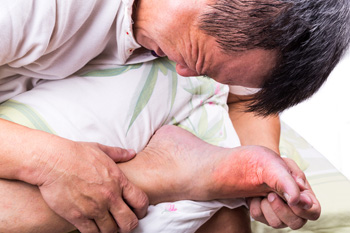 Patients who experience gout are aware of the debilitating pain and discomfort this condition may cause. It affects the joints in the big toe, and is considered to be a form of arthritis. Gout can be caused for a variety of reasons. These can include genetic factors, eating foods that have elevated purine levels, or it may come from specific medical conditions. It occurs as a result of high uric acid levels in the blood. Patients have described the sensation of gout as crystals that form between the joints, and can cause severe pain and discomfort. There are methods that can be implemented which can possibly prevent future gout attacks. These can include losing excess weight, and avoiding foods consisting of red meat and seafood. Additionally, it is recommended that alcohol consumption is limited. If you are getting frequent gout attacks, it is suggested that you consult with a podiatrist as quickly as possible who can help you to manage and prevent this condition.
Gout is a foot condition that requires certain treatment and care. If you are seeking treatment, contact Barry P. Weinstein, DPM from Bellaire Podiatry. Our doctor will treat your foot and ankle needs.
What Is Gout?
Gout is a type of arthritis caused by a buildup of uric acid in the bloodstream. It often develops in the foot, especially the big toe area, although it can manifest in other parts of the body as well. Gout can make walking and standing very painful and is especially common in diabetics and the obese.
People typically get gout because of a poor diet. Genetic predisposition is also a factor. The children of parents who have had gout frequently have a chance of developing it themselves.
Gout can easily be identified by redness and inflammation of the big toe and the surrounding areas of the foot. Other symptoms include extreme fatigue, joint pain, and running high fevers. Sometimes corticosteroid drugs can be prescribed to treat gout, but the best way to combat this disease is to get more exercise and eat a better diet.
If you have any questions please feel free to contact one of our offices located in Bellaire and Houston, TX . We offer the newest diagnostic and treatment technologies for all your foot and ankle needs.
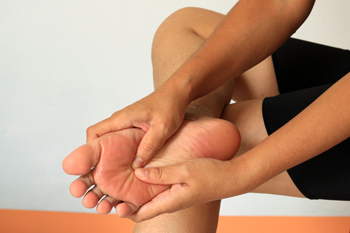 Patients who are afflicted with Morton’s neuroma often feel pain and discomfort in the ball of the foot. This condition can occur as a result of thickened tissues between the toes, and the pain may be more severe while walking. Additional symptoms may include a numbing or tingling sensation, limited mobility, and it may be difficult to wear shoes that do not have adequate room for the toes to move freely in. It may develop from existing foot conditions, or from frequently participating in running or jumping activities. There are several methods of diagnosis, which can include having an X-ray, ultrasound, or MRI performed. If you have pain in this area of your foot, and think it may be Morton’s neuroma, it is strongly advised that you schedule a consultation with a podiatrist who can begin the correct treatment plan for you.
Morton’s neuroma is a very uncomfortable condition to live with. If you think you have Morton’s neuroma, contact Barry P. Weinstein, DPM of Bellaire Podiatry. Our doctor will attend to all of your foot care needs and answer any of your related questions.
Morton’s Neuroma
Morton's neuroma is a painful foot condition that commonly affects the areas between the second and third or third and fourth toe, although other areas of the foot are also susceptible. Morton’s neuroma is caused by an inflamed nerve in the foot that is being squeezed and aggravated by surrounding bones.
What Increases the Chances of Having Morton’s Neuroma?
Morton’s neuroma is a very treatable condition. Orthotics and shoe inserts can often be used to alleviate the pain on the forefront of the feet. In more severe cases, corticosteroids can also be prescribed. In order to figure out the best treatment for your neuroma, it’s recommended to seek the care of a podiatrist who can diagnose your condition and provide different treatment options.
If you have any questions, please feel free to contact one of our offices located in Bellaire and Houston, TX . We offer the newest diagnostic and treatment technologies for all your foot care needs.

Suffering from this type of pain? You may have the foot condition known as Morton's neuroma. Morton's neuroma may develop as a result of ill-fitting footwear and existing foot deformities. We can help.
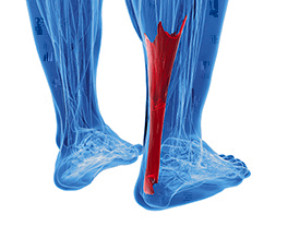 Patients who have endured an Achilles tendon injury are often aware of the debilitating pain and discomfort this condition may cause. It can occur as a result of frequently participating in running and jumping activities, and can be a common injury among tennis players. The consistent jumping and turning may cause the Achilles tendon to become weak, which is located on the lower part of the calf. The function of this tendon is to connect the heel to the calf muscles, and can be quite painful if it becomes torn and inflamed. Patients who have endured an Achilles tendon injury may find mild relief when the affected foot is elevated, and it may help to perform specific stretching techniques. If you feel pain in the calf and heel area, it is strongly suggested that you consult with a podiatrist as quickly as possible so the correct treatment can begin.
Achilles tendon injuries need immediate attention to avoid future complications. If you have any concerns, contact Barry P. Weinstein, DPM of Bellaire Podiatry. Our doctor can provide the care you need to keep you pain-free and on your feet.
What Is the Achilles Tendon?
The Achilles tendon is a tendon that connects the lower leg muscles and calf to the heel of the foot. It is the strongest tendon in the human body and is essential for making movement possible. Because this tendon is such an integral part of the body, any injuries to it can create immense difficulties and should immediately be presented to a doctor.
What Are the Symptoms of an Achilles Tendon Injury?
There are various types of injuries that can affect the Achilles tendon. The two most common injuries are Achilles tendinitis and ruptures of the tendon.
Achilles Tendinitis Symptoms
Rupture Symptoms
Treatment and Prevention
Achilles tendon injuries are diagnosed by a thorough physical evaluation, which can include an MRI. Treatment involves rest, physical therapy, and in some cases, surgery. However, various preventative measures can be taken to avoid these injuries, such as:
If you have any questions please feel free to contact one of our offices located in Bellaire and Houston, TX . We offer the newest diagnostic tools and technology to treat your foot and ankle needs.





 accessibility - Default