
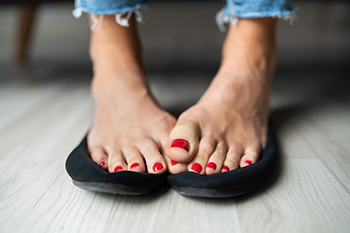
 “Hyperhidrosis,” or excessive sweating, can impact the feet. Feet can sweat for a variety of reasons, such as heat, vigorous exercise, pregnancy, shoes that do not fit properly, stress, overuse of feet, side effects of certain medications, or an underlying medical condition like diabetes or thyroid disease. When foot sweat is not cleaned up it can get trapped between toes, which can allow bacteria to grow and enter a cut or ingrown toenail, become infected, and lead to smelly feet (also known as “Bromodosis”). It makes good sense to wash and dry the feet regularly, as well as to wear proper footwear. Additional at home remedies can include foot powders and antiperspirants or medicated insoles. People more apt to develop these types of foot infections are seniors, diabetics, those undergoing hormonal changes (like in pregnancy), and those with compromised immune systems. Such infections must be tended to immediately. If your feet continue to sweat and smell and regular foot hygiene measures do not solve the problem, or if you notice an infection festering, a visit to a podiatrist is suggested for proper diagnosis, a better understanding of the root cause of the problem, and more aggressive treatment.
If you are suffering from hyperhidrosis contact Barry P. Weinstein, DPM of Bellaire Podiatry. Our doctor can provide the care you need to attend to all of your foot and ankle needs.
Hyperhidrosis of the Feet
Hyperhidrosis is a rare disorder that can cause people to have excessive sweating of their feet. This can usually occur all on its own without rigorous activity involved. People who suffer from hyperhidrosis may also experience sweaty palms.
Although it is said that sweating is a healthy process meant to cool down the body temperature and to maintain a proper internal temperature, hyperhidrosis may prove to be a huge hindrance on a person’s everyday life.
Plantar hyperhidrosis is considered to be the main form of hyperhidrosis. Secondary hyperhidrosis can refer to sweating that occurs in areas other than the feet or hands and armpits. Often this may be a sign of it being related to another medical condition such as menopause, hyperthyroidism and even Parkinson’s disease.
In order to alleviate this condition, it is important to see your doctor so that they may prescribe the necessary medications so that you can begin to live a normal life again. If this is left untreated, it is said that it will persist throughout an individual’s life.
A last resort approach would be surgery, but it is best to speak with your doctor to find out what may be the best treatment for you.
If you have any questions please feel free to contact one of our offices located in Bellaire and Houston, TX . We offer the newest diagnostic and treatment technologies for all your foot and ankle needs.
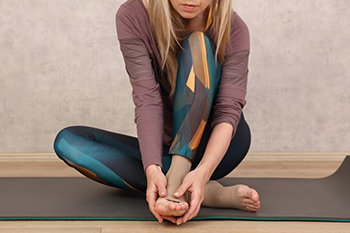 It is common for elderly people to undergo changes in their circulatory system. This can be a normal part of the aging process as a result of strain on the veins and arteries. Some of the symptoms that are associated with poor circulation include a tingling sensation, pain, and muscle cramps. Additionally, the feet may turn blue or purple, the toenails can become weak, and there can be hair loss on the legs. Mild relief can be found by massaging the feet, staying active, and it can help to refrain from drinking caffeine and alcohol. Poor circulation may be a symptom of an underlying condition. If you have signs of this ailment, it is strongly suggested that you speak with a podiatrist as quickly as possible who can properly assess and treat your circulation issues.
While poor circulation itself isn’t a condition; it is a symptom of another underlying health condition you may have. If you have any concerns with poor circulation in your feet contact Barry P. Weinstein, DPM of Bellaire Podiatry. Our doctor will treat your foot and ankle needs.
Poor Circulation in the Feet
Peripheral artery disease (PAD) can potentially lead to poor circulation in the lower extremities. PAD is a condition that causes the blood vessels and arteries to narrow. In a linked condition called atherosclerosis, the arteries stiffen up due to a buildup of plaque in the arteries and blood vessels. These two conditions can cause a decrease in the amount of blood that flows to your extremities, therefore resulting in pain.
Symptoms
Some of the most common symptoms of poor circulation are:
Treatment for poor circulation often depends on the underlying condition that causes it. Methods for treatment may include insulin for diabetes, special exercise programs, surgery for varicose veins, or compression socks for swollen legs.
As always, see a podiatrist as he or she will assist in finding a regimen that suits you. A podiatrist can also prescribe you any needed medication.
If you have any questions, please feel free to contact one of our offices located in Bellaire and Houston, TX . We offer the newest diagnostic and treatment technologies for all your foot care needs.
 Your baby will be depending on his or her feet for a lifetime, so it makes sense to begin their life trying to make sure their feet are properly cared for. Under most circumstances, babies are born with feet that are normal and healthy and good care can keep them that way. Things that can be done to keep baby’s feet in good condition include: allowing free and active movement to ensure good muscle development, barefoot crawling indoors so feet and toes continue to develop normally, frequent checking on the proper fit of socks and shoes (especially given how quickly they grow), washing their feet every day with soap and water and drying them thoroughly, and not rushing baby’s walking in any way, including providing walking aids, which might cause injury. Consulting with a podiatrist is suggested if anything concerning or questionable arises with your baby’s feet for immediate diagnosis and proper treatment recommendations, e.g., toes turning in or out a lot, shoes wearing unevenly, rashes, bumps or lumps developing on their feet, or they complain of continual foot pain.
The health of a child’s feet is vital to their overall well-being. If you have any questions regarding foot health, contact Barry P. Weinstein, DPM of Bellaire Podiatry. Our doctor can provide the care you need to keep you pain-free and on your feet.
Tips for Keeping Children's Feet Healthy
If you have any questions, please feel free to contact one of our offices located in Bellaire and Houston, TX . We offer the newest diagnostic and treatment technologies for all your foot care needs.
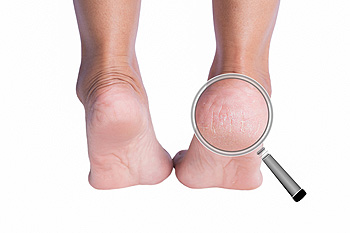 Cracked heels can be unsightly. The skin on the heel becomes dry and thickened and can even start to crack or fissure. Anyone can develop cracked heels, but it is more likely to happen to those who wear shoes with open heels (like sandals), take very hot baths or showers, use harsh soaps, have cold/dry skin, stand for long periods of time, have a physical condition such as obesity, diabetes or eczema or some deformity of the foot, like flat feet. No matter what the cause of your cracked heels are, there are steps you can take to prevent and treat them. Removing dry skin with a loofah and applying a heavy moisturizer to the bottom of the feet regularly helps. Typically, cracked heels won't cause serious health concerns, but occasionally severely cracked heels can get infected and lead to a skin infection called cellulitis. If this condition persists, it is important to see a qualified podiatrist for proper diagnosis and treatment.
Cracked heels are unsightly and can cause further damage to your shoes and feet. If you have any concerns, contact Barry P. Weinstein, DPM from Bellaire Podiatry. Our doctor can provide the care you need to keep you pain-free and on your feet.
Cracked Heels
Cracked heels appear unappealing and can make it harder for you walk around in sandals. Aside from looking unpleasant, cracked heels can also tear stockings, socks, and wear out your shoes. There are several methods to help restore a cracked heel and prevent further damage.
How Do You Get Them?
Dry skin is the number one culprit in creating cracked heels. Many athletes, walkers, joggers, and even swimmers suffer from cracked heels. Age and skin oil production play a role to getting cracked heels as well.
Promote Healing
Over the counter medicines can help, especially for those that need instant relief or who suffer from chronic dry feet.
Wear Socks – Wearing socks with medicated creams helps lock in moisture.
Moisturizers – Applying both day and night will help alleviate dryness which causes cracking.
Pumice Stones – These exfoliate and remove dead skin, which allows for smoother moisturizer application and better absorption into the skin.
Change in Diet
Eating healthy with a well-balanced diet will give the skin a fresh and radiant look. Your body responds to the kinds of food you ingest. Omega-3 fatty acids and zinc supplements can also revitalize skin tissue.
Most importantly, seek professional help if unsure how to proceed in treating cracked heels. A podiatrist will help you with any questions or information needed.
If you have any questions, please feel free to contact one of our offices located in Bellaire and Houston, TX . We offer the newest diagnostic and treatment technologies for all your foot care needs.

Custom orthotics, or shoe inserts, should be periodically replaced. Orthotics must fit properly to give you the best results. Protect your feet and ankles!
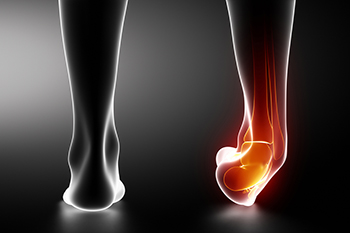 Spraining an ankle is a common injury among those who regularly play sports, particularly tennis, soccer, basketball, handball, and volleyball. The most common cause of a sprained ankle is when your foot points down and twists inward, causing you to land on the outside of your foot. This can also happen when you walk and step into a hole, suddenly change direction on a court or field, or jumping and landing on the foot of another player. These actions can cause the ligament in your ankle to stretch or tear, resulting in pain and swelling. The first thing to do is cease the activity and apply the rest, ice, compression, and elevation treatment plan. In addition, avoid heat, alcoholic beverages, running, and massage, as these may further aggravate your condition. If the pain, swelling, and stiffness persist or worsen after a couple of days, it is a good idea to make an appointment with a podiatrist who can thoroughly examine your ankle and recommend the appropriate treatment plan.
Ankle sprains are common but need immediate attention. If you need your feet checked, contact Barry P. Weinstein, DPM from Bellaire Podiatry. Our doctor can provide the care you need to keep you pain-free and on your feet.
How Does an Ankle Sprain Occur?
Ankle sprains take place when the ligaments in your ankle are torn or stretched beyond their limits. There are multiple ways that the ankle can become injured, including twisting or rolling over onto your ankle, putting undue stress on it, or causing trauma to the ankle itself.
What Are the Symptoms?
Preventing a Sprain
Treatment of a Sprain
Treatment of a sprain depends on the severity. Many times, people are told to rest and remain off their feet completely, while others are given an air cast. If the sprain is very severe, surgery may be required.
If you have suffered an ankle sprain previously, you may want to consider additional support such as a brace and regular exercises to strengthen the ankle.
If you have any questions please feel free to contact one of our offices located in Bellaire and Houston, TX . We offer the newest diagnostic and treatment technologies for all your foot and ankle needs.
 Obesity is a growing problem with effects that can damage the health of your whole body. The feet and lower limbs are often affected by obesity. One survey found that 51% of adults who described their foot health as “fair” or “poor” were obese. Increasing BMI is strongly associated with increased foot pain and disability. Being significantly overweight can put excess pressure on the feet, straining the ligaments, muscles, bones, and joints that allow you to stand, walk, run, and move about during your daily activities. Maintaining a healthy weight, conversely, can improve your foot health, helping you avoid pain, injury, and disability. For more information about the relationship between body weight and foot health, please consult with a podiatrist.
Obesity has become very problematic at this point in time and can have extremely negative effects on the feet. If you’re an obese individual and are concerned about your feet, contact Barry P. Weinstein, DPM from Bellaire Podiatry. Our doctor can provide the care you need to keep you pain-free and on your feet.
Obesity and Your Feet
Since your feet are what support your entire weight when standing, any additional weight can result in pain and swelling. Being overweight is one of the main contributors to foot complications.
Problems & Complications
Extra Weight – Even putting on just a few extra pounds could create serious complications for your feet. As your weight increases, your balance and body will shift, creating new stresses on your feet. This uneven weight distribution can cause pain, even while doing the simplest tasks, such as walking.
Diabetes – People who are overweight are at serious risk of developing type-2 diabetes, which has a drastic impact on the health of your feet. As you get older, your diabetes might worsen, which could lead to loss of feeling in your feet, sores, and bruises. You could also become more prone to various infections.
Plantar fasciitis – Pressure and stress that is placed on muscles, joints, and tendons can trigger plantar fasciitis, which is an inflammation of tissue that forms along the bottom of the foot.
If you have any questions please feel free to contact one of our offices located in Bellaire and Houston, TX . We offer the newest diagnostic and treatment technologies for all your foot and ankle needs.
Peripheral neuropathy causes damage to the nerves outside of the spinal cord and brain, which can result in a host of symptoms, starting in the feet. You may have peripheral neuropathy if you feel tingling or pins and needles in your feet. You may also experience stabbing, shooting, or burning pain in your feet, which tends to be worse in the evening. Your feet may feel numb, weak, or “dead.” They may even be so sensitive that the bed sheets brushing against your feet causes pain. You may have difficulty sensing temperature in your feet, or you may get the sensation of wearing socks even if you are barefoot. In some cases, you may develop ulcers (open wounds) on your feet or legs. While there is no cure for nerve damage, you can help prevent the condition from worsening by keeping blood glucose levels in target range. A podiatrist can also help you keep your feet and legs as healthy as possible and help manage the pain and discomfort caused by peripheral neuropathy.
Peripheral artery disease can pose a serious risk to your health. It can increase the risk of stroke and heart attack. If you have symptoms of peripheral artery disease, consult with Barry P. Weinstein, DPM from Bellaire Podiatry. Our doctor will assess your condition and provide you with quality foot and ankle treatment.
Peripheral artery disease (PAD) is when arteries are constricted due to plaque (fatty deposits) build-up. This results in less blood flow to the legs and other extremities. The main cause of PAD is atherosclerosis, in which plaque builds up in the arteries.
Symptoms
Symptoms of PAD include:
It is important to note that a majority of individuals never show any symptoms of PAD.
Diagnosis
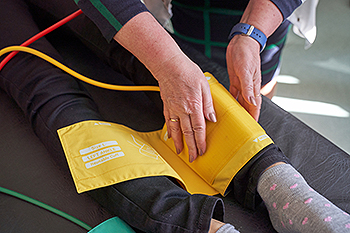
While PAD occurs in the legs and arteries, Podiatrists can diagnose PAD. Podiatrists utilize a test called an ankle-brachial index (ABI). An ABI test compares blood pressure in your arm to you ankle to see if any abnormality occurs. Ultrasound and imaging devices may also be used.
Treatment
Fortunately, lifestyle changes such as maintaining a healthy diet, exercising, managing cholesterol and blood sugar levels, and quitting smoking, can all treat PAD. Medications that prevent clots from occurring can be prescribed. Finally, in some cases, surgery may be recommended.
If you have any questions, please feel free to contact one of our offices located in Bellaire and Houston, TX . We offer the newest diagnostic and treatment technologies for all your foot care needs.
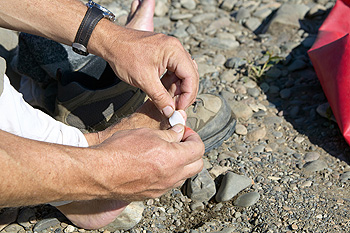 When fluid filled lesions form on the feet because of pressure and/or friction, they form blisters. Blisters can be very painful and can form from a variety of factors. Common factors that can cause blisters to form include wearing shoes that are too stiff or don’t fit right, too much moisture in the feet, foot deformities, and wrinkled socks. There are some things that can be done to help prevent blisters that include keeping the feet dry, wearing socks and shoes that fit correctly, and making sure to check the feet for any rubbing or tenderness that is caused by shoes. Patients who do form blisters on the feet should make sure to not pop them because they usually clear up after around 3-7 days. However, patients who have persistent blisters, are diabetic or believe that their blisters are infected would be wise to consult with a podiatrist.
Blisters are prone to making everyday activities extremely uncomfortable. If your feet are hurting, contact Barry P. Weinstein, DPM of Bellaire Podiatry. Our doctor can provide the care you need to keep you pain-free and on your feet.
Foot Blisters
Foot blisters develop as a result of constantly wearing tight or ill-fitting footwear. This happens due to the constant rubbing from the shoe, which can often lead to pain.
What Are Foot Blisters?
A foot blister is a small fluid-filled pocket that forms on the upper-most layer of the skin. Blisters are filled with clear fluid and can lead to blood drainage or pus if the area becomes infected.
How Do Blisters Form?
Blisters on the feet are often the result of constant friction of skin and material, usually by shoe rubbing. Walking in sandals, boots, or shoes that don’t fit properly for long periods of time can result in a blister. Having consistent foot moisture and humidity can easily lead to blister formation.
Prevention & Treatment
It is important to properly care for the affected area in order to prevent infection and ease the pain. Do not lance the blister and use a Band-Aid to provide pain relief. Also, be sure to keep your feet dry and wear proper fitting shoes. If you see blood or pus in a blister, seek assistance from a podiatrist.
If you have any questions, please feel free to contact one of our offices located in Bellaire and Houston, TX . We offer the newest diagnostic and treatment technologies for all your foot care needs.
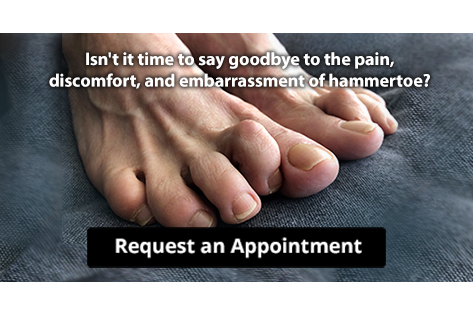
Painful deformities, such as hammertoes, can be treated. Stop living with foot pain, and have beautiful feet again!





 accessibility - Default