

The area in the foot that is known as tarsal tunnel, is located on the inside of the ankle between bones and tissue. There are arteries, veins, and tendons that are also found inside the tarsal tunnel, in addition to the posterior tibial nerve. The condition that is referred to as tarsal tunnel syndrome can occur if this nerve becomes compressed. This can happen as a result of bone spurs, flat feet, or medical conditions that can include diabetes or arthritis. Some of the symptoms that are associated with this condition can consist of a burning or tingling sensation, in addition to sharp pain in the calf, foot, or ankle. Patients may find moderate relief when specific medications are taken, and the foot may feel better when different shoes are worn. If you have pain in your foot, it suggested that you consult with a podiatrist who can properly diagnosis and treat tarsal tunnel syndrome.
Tarsal tunnel syndrome can be very uncomfortable to live with. If you are experiencing tarsal tunnel syndrome, contact Barry P. Weinstein, DPM of Bellaire Podiatry. Our doctor can provide the care you need to keep you pain-free and on your feet.
Tarsal Tunnel Syndrome
Tarsal tunnel syndrome, which can also be called tibial nerve dysfunction, is an uncommon condition of misfiring peripheral nerves in the foot. The tibial nerve is the peripheral nerve in the leg responsible for sensation and movement of the foot and calf muscles. In tarsal tunnel syndrome, the tibial nerve is damaged, causing problems with movement and feeling in the foot of the affected leg.
Common Cause of Tarsal Tunnel Syndrome
The Effects of Tarsal Tunnel Syndrome
A physical exam of the leg can help identify the presence of tarsal tunnel syndrome. Medical tests, such as a nerve biopsy, are also used to diagnose the condition. Patients may receive physical therapy and prescriptive medication. In extreme cases, some may require surgery.
If you have any questions please feel free to contact one of our offices located in Bellaire and Houston, TX . We offer the newest diagnostic and treatment technologies for all your foot and ankle needs.
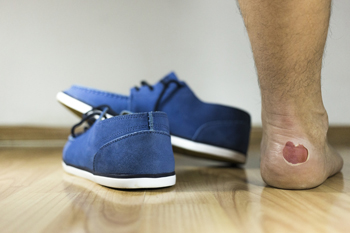 When an injury occurs that damages the top layer of the skin, a blister will typically form over the affected area. This is how the body responds to protect that portion of the skin as the healing process takes place. It is defined as a small bubble that is filled with fluid, and will gradually drain when new skin has formed. Blisters are generally caused by excess friction that is placed on the feet. This can happen as a result of wearing shoes and socks that do not fit correctly, possibly causing the skin to eventually become damaged. There are additional reasons why blisters may occur. These can include an allergic reaction to an insect bite, sunburn, frostbite, or from medical conditions such as dermatitis. It is beneficial to cover the blister while wearing shoes, and this may ensure it stays intact until it naturally drains. If you have a blister on your foot that has become infected, it is advised that you speak with a podiatrist who can properly guide you toward the correct treatment.
Blisters are prone to making everyday activities extremely uncomfortable. If your feet are hurting, contact Barry P. Weinstein, DPM of Bellaire Podiatry. Our doctor can provide the care you need to keep you pain-free and on your feet.
Foot Blisters
Foot blisters develop as a result of constantly wearing tight or ill-fitting footwear. This happens due to the constant rubbing from the shoe, which can often lead to pain.
What Are Foot Blisters?
A foot blister is a small fluid-filled pocket that forms on the upper-most layer of the skin. Blisters are filled with clear fluid and can lead to blood drainage or pus if the area becomes infected.
How Do Blisters Form?
Blisters on the feet are often the result of constant friction of skin and material, usually by shoe rubbing. Walking in sandals, boots, or shoes that don’t fit properly for long periods of time can result in a blister. Having consistent foot moisture and humidity can easily lead to blister formation.
Prevention & Treatment
It is important to properly care for the affected area in order to prevent infection and ease the pain. Do not lance the blister and use a Band-Aid to provide pain relief. Also, be sure to keep your feet dry and wear proper fitting shoes. If you see blood or pus in a blister, seek assistance from a podiatrist.
If you have any questions, please feel free to contact one of our offices located in Bellaire and Houston, TX . We offer the newest diagnostic and treatment technologies for all your foot care needs.





 accessibility - Default