

If left untreated, an ingrown toenail can lead to more serious concerns, such as an infection. Knowing proper nail care can help in the prevention of an ingrown toenail. Give us a call, and get treated!
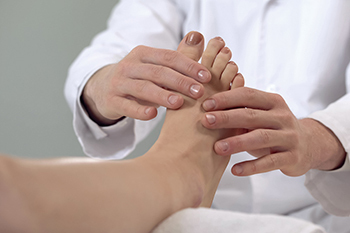
A neurological disorder that causes weakness and loss of feeling in the feet, Charcot-Marie-Tooth disease, is named after the three doctors who first identified the condition in 1886. It is an inherited disease for which there is no cure and is believed to affect one in every 2,500 people. Symptoms include weakness and lack of sensation in the feet that can progress into a deformity in the arch of the foot. It also may cause curled toes, pain, cramps, and difficulty walking. Charcot-Marie-Tooth disease also can spread to other areas of the body including the legs, hands, and arms. Treatment options include therapy, orthotics, surgery, and medication. Sometimes ankle braces and foot orthotics are prescribed as well as strengthening and stretching exercises. If you have symptoms of Charcot-Marie-Tooth disease it is suggested that you consult with a podiatrist for an exam, diagnosis, and treatment plan best suited for you.
Neuropathy
Neuropathy can be a potentially serious condition, especially if it is left undiagnosed. If you have any concerns that you may be experiencing nerve loss in your feet, consult with Barry P. Weinstein, DPM from Bellaire Podiatry. Our doctor will assess your condition and provide you with quality foot and ankle treatment for neuropathy.
What Is Neuropathy?
Neuropathy is a condition that leads to damage to the nerves in the body. Peripheral neuropathy, or neuropathy that affects your peripheral nervous system, usually occurs in the feet. Neuropathy can be triggered by a number of different causes. Such causes include diabetes, infections, cancers, disorders, and toxic substances.
Symptoms of Neuropathy Include:
Those with diabetes are at serious risk due to being unable to feel an ulcer on their feet. Diabetics usually also suffer from poor blood circulation. This can lead to the wound not healing, infections occurring, and the limb may have to be amputated.
Treatment
To treat neuropathy in the foot, podiatrists will first diagnose the cause of the neuropathy. Figuring out the underlying cause of the neuropathy will allow the podiatrist to prescribe the best treatment, whether it be caused by diabetes, toxic substance exposure, infection, etc. If the nerve has not died, then it’s possible that sensation may be able to return to the foot.
Pain medication may be issued for pain. Electrical nerve stimulation can be used to stimulate nerves. If the neuropathy is caused from pressure on the nerves, then surgery may be necessary.
If you have any questions, please feel free to contact one of our offices located in Bellaire and Houston, TX . We offer the newest diagnostic and treatment technologies for all your foot care needs.
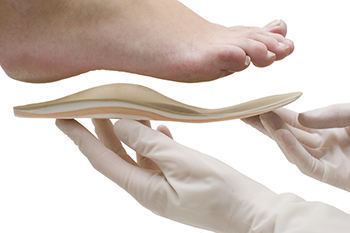
Orthotics are defined as insoles that go into the shoes. They are also known as orthoses and can help to improve foot structure. There are specific foot deformities that may benefit from wearing orthotics. These include flat feet, arch conditions, such as plantar fasciitis, and certain types of arthritis. There are three categories of orthotics, including rigid, soft, and semi-rigid. Foot function is typically controlled by wearing rigid orthotics, and they may help to eliminate existing foot pain. They generally fit snugly to correct any abnormalities. Shock and pressure can be reduced when soft orthotics are worn, and walking may be more comfortable. The orthotics that are known as semi-rigid are often worn by athletes, and they can provide the support that is necessary as their chosen sport is practiced. If you would like to know more information about orthotics, their different forms, and if you are a candidate, please schedule an appointment with a podiatrist who can answer any questions you may have. Podiatrists can also guide you in the direction that is right for you.
If you are having discomfort in your feet and would like to try orthotics, contact Barry P. Weinstein, DPM from Bellaire Podiatry. Our doctor can provide the care you need to keep you pain-free and on your feet.
What Are Orthotics?
Orthotics are inserts you can place into your shoes to help with a variety of foot problems such as flat feet or foot pain. Orthotics provide relief and comfort for minor foot and heel pain but can’t correct serious biomechanical problems in your feet.
Over-the-Counter Inserts
Orthotics come in a wide variety of over-the-counter inserts that are used to treat foot pain, heel pain, and minor problems. For example, arch supports can be inserted into your shoes to help correct overarched or flat feet, while gel insoles are often used because they provide comfort and relief from foot and heel pain by alleviating pressure.
Prescription Orthotics
If over-the-counter inserts don’t work for you or if you have a more severe foot concern, it is possible to have your podiatrist prescribe custom orthotics. These high-quality inserts are designed to treat problems such as abnormal motion, plantar fasciitis, and severe forms of heel pain. They can even be used to help patients suffering from diabetes by treating foot ulcers and painful calluses and are usually molded to your feet individually, which allows them to provide full support and comfort.
If you are experiencing minor to severe foot or heel pain, it’s recommended to speak with your podiatrist about the possibilities of using orthotics. A podiatrist can determine which type of orthotic is right for you and allow you to take the first steps towards being pain-free.
If you have any questions please contact one of our offices located in Bellaire and Houston, TX . We offer the newest diagnostic and treatment technologies for all your foot and ankle needs.
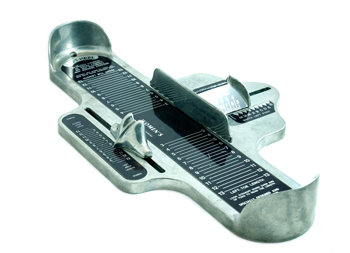
Research has shown that not all shoes are made the same. This may affect shoe size and can vary from one type of shoe to the other. People who sell shoes stress the importance of knowing what the width and flex point is. The flex point is where the shoe bends at its widest point and this may be obvious when the shoes are tried on. Additionally, it is wise to know what type of instep you have as this could rule out or confirm specific types of shoes to be worn. The type of material that the shoe is made of may help to decide your purchase. Materials like leather will break in differently from a mesh or canvas upper part of the shoe and will fit differently. It is suggested to try shoes on at the end of the day when the feet are at their largest. The most important thing to look for when trying new shoes on is the level of comfort. All shoes will fit differently so when you find a pair that fits your feet like Cinderella’s slipper, it may be wise to purchase them. If you would like additional tips about getting the right shoe size, please confer with a podiatrist.
Getting the right shoe size is an important part of proper foot health. Seek the assistance of Barry P. Weinstein, DPM from Bellaire Podiatry. Our doctor will provide the care you need to keep you pain-free and on your feet.
Getting the Right Shoe Size
There are many people who wear shoes that are the incorrect size, negatively affecting their feet and posture. Selecting the right shoes is not a difficult process, so long as you keep several things in mind when it comes to choosing the right pair.
As our feet hold our body weight and keep us moving, it is important to treat them right. Picking the right pair of shoes can provide your feet comfort and mobility without pain.
If you have any questions, please feel free to contact one of our offices located in Bellaire and Houston, TX . We offer the newest diagnostic and treatment technologies for all your foot care needs.
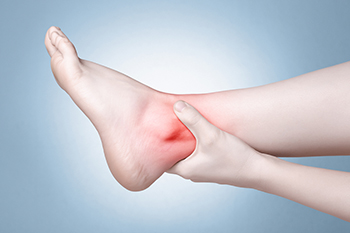
The ankle is a complex structure composed of three bones known as the tibia, fibula, and talus along with ligaments, tendons, muscles, nerves, and blood vessels. Ankle stability is very important, as this joint needs to be able to withstand 1.5 times the body’s weight when walking and 8 times the body’s weight when running. Because the ankle is so critical in movement and bearing weight it can be prone to certain painful injuries such as ankle sprains, fractures, nerve compression, and tendonitis. Ankle pain can also be caused by certain diseases that attack joints such as arthritis, gout (a form of arthritis), and diabetes. Ankle pain and discomfort can vary depending upon the source ranging from stiffness, warmth, redness, and inflammation, to varying degrees of pain and/or immobility. If you have any kind of ankle pain, have a podiatrist examine you and diagnose your condition. Proper treatment is critical to relieve pain and help your ankle to heal properly.
Ankle pain can have many different causes and the pain may potentially be serious. If you have ankle pain, consult with Barry P. Weinstein, DPM from Bellaire Podiatry. Our doctor will assess your condition and provide you with quality foot and ankle treatment.
Ankle pain is any condition that causes pain in the ankle. Due to the fact that the ankle consists of tendons, muscles, bones, and ligaments, ankle pain can come from a number of different conditions.
Causes
The most common causes of ankle pain include:
Symptoms
Symptoms of ankle injury vary based upon the condition. Pain may include general pain and discomfort, swelling, aching, redness, bruising, burning or stabbing sensations, and/or loss of sensation.
Diagnosis
Due to the wide variety of potential causes of ankle pain, podiatrists will utilize a number of different methods to properly diagnose ankle pain. This can include asking for personal and family medical histories and of any recent injuries. Further diagnosis may include sensation tests, a physical examination, and potentially x-rays or other imaging tests.
Treatment
Just as the range of causes varies widely, so do treatments. Some more common treatments are rest, ice packs, keeping pressure off the foot, orthotics and braces, medication for inflammation and pain, and surgery.
If you have any questions, please feel free to contact one of our offices located in Bellaire and Houston, TX . We offer the newest diagnostic and treatment technologies for all your foot care needs.
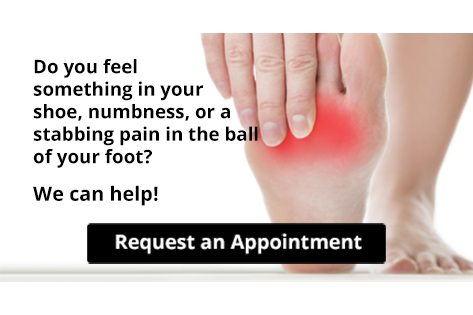
Suffering from this type of pain? You may have the foot condition known as Morton's neuroma. Morton's neuroma may develop as a result of ill-fitting footwear and existing foot deformities. We can help.
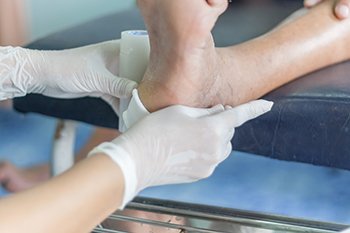
Wounds that develop on the feet can make it difficult to complete everyday activities. A cut or scrape on the foot of a patient who does not have diabetes is easily treated with a bandage for a few days and then removed. The opposite is true with diabetic patients as it can take several weeks for a foot ulcer to heal that began as a cut. Many serious foot wounds require protection against further pressure and patients often wear an “offloading” boot that may accelerate the healing process. Wounds on the feet that do not heal promptly can be the first sign that diabetes may have developed. If the protective boot is worn, it is beneficial that the wound is managed correctly by noticing the amount of ooze and discharge that can affect the skin. Using antiseptics may be suggested as they can help to clean the wound site followed by using special dressings that can reduce the number of bacteria. If you have wounds on your feet, it is strongly advised that you are under the care of a podiatrist who can help you properly treat and manage the condition causing them.
Wound care is an important part in dealing with diabetes. If you have diabetes and a foot wound or would like more information about wound care for diabetics, consult with Barry P. Weinstein, DPM from Bellaire Podiatry. Our doctor will assess your condition and provide you with quality foot and ankle treatment.
What Is Wound Care?
Wound care is the practice of taking proper care of a wound. This can range from the smallest to the largest of wounds. While everyone can benefit from proper wound care, it is much more important for diabetics. Diabetics often suffer from poor blood circulation which causes wounds to heal much slower than they would in a non-diabetic.
What Is the Importance of Wound Care?
While it may not seem apparent with small ulcers on the foot, for diabetics, any size ulcer can become infected. Diabetics often also suffer from neuropathy, or nerve loss. This means they might not even feel when they have an ulcer on their foot. If the wound becomes severely infected, amputation may be necessary. Therefore, it is of the upmost importance to properly care for any and all foot wounds.
How to Care for Wounds
The best way to care for foot wounds is to prevent them. For diabetics, this means daily inspections of the feet for any signs of abnormalities or ulcers. It is also recommended to see a podiatrist several times a year for a foot inspection. If you do have an ulcer, run the wound under water to clear dirt from the wound; then apply antibiotic ointment to the wound and cover with a bandage. Bandages should be changed daily and keeping pressure off the wound is smart. It is advised to see a podiatrist, who can keep an eye on it.
If you have any questions, please feel free to contact one of our offices located in Bellaire and Houston, TX . We offer the newest diagnostic and treatment technologies for all your foot care needs.
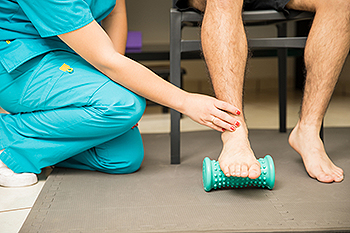
Heel pain is experienced by many people. The foot condition known as plantar fasciitis is a leading cause of heel pain and it can be uncomfortable. The plantar fascia is a band of tissue that is located on the bottom of the foot and connects the heel to the toes. If this becomes inflamed for any reason, it could result in plantar fasciitis. Plantar fasciitis can happen from standing on hard surfaces for long periods throughout the day, or from wearing shoes that do not fit correctly. Additionally, it may occur in people who frequently participate in running and jumping activities, as this may put excess stress on the heel of the foot. The symptoms that are often associated with plantar fasciitis can include heel pain that is worse upon arising in the morning and often feels like a stabbing or shooting pain. This condition may be more prevalent among people who are over 50 years old, overweight, or who have high arches or tight calf muscles. Treatment methods may include wearing orthotics, performing specific types of stretches, or in severe cases, surgery may be necessary. If you have heel pain, please consult with a podiatrist who can effectively diagnose and treat plantar fasciitis.
Plantar fasciitis is a common foot condition that is often caused by a strain injury. If you are experiencing heel pain or symptoms of plantar fasciitis, contact Barry P. Weinstein, DPM from Bellaire Podiatry. Our doctor can provide the care you need to keep you pain-free and on your feet.
What Is Plantar Fasciitis?
Plantar fasciitis is one of the most common causes of heel pain. The plantar fascia is a ligament that connects your heel to the front of your foot. When this ligament becomes inflamed, plantar fasciitis is the result. If you have plantar fasciitis you will have a stabbing pain that usually occurs with your first steps in the morning. As the day progresses and you walk around more, this pain will start to disappear, but it will return after long periods of standing or sitting.
What Causes Plantar Fasciitis?
There are some risk factors that may make you more likely to develop plantar fasciitis compared to others. The condition most commonly affects adults between the ages of 40 and 60. It also tends to affect people who are obese because the extra pounds result in extra stress being placed on the plantar fascia.
Prevention
There are a variety of treatment options available for plantar fasciitis along with the pain that accompanies it. Additionally, physical therapy is a very important component in the treatment process. It is important that you meet with your podiatrist to determine which treatment option is best for you.
If you have any questions, please feel free to contact one of our offices located in Bellaire and Houston, TX . We offer the newest diagnostic and treatment technologies for all your foot care needs.
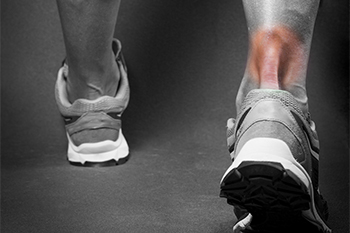
The medical term for the part of the foot that is known as the Achilles tendon is referred to as the calcaneal tendon. It is located in the back of the calf, and connects the heel to the calf muscles. It is considered to be the largest tendon in the body, and is responsible for pointing and flexing the foot. A foot mishap may result in an Achilles tendon injury, and this often causes severe pain and discomfort. This tendon could partially tear, and in the worse case scenario, may completely rupture. It can happen to people who enjoy the sport of running, and increasing the mileage and speed too soon may result in this type of injury. It is common among men who choose to participate in certain sporting activities during time off from work, and their bodies may not be used to twisting and turning, and the Achilles tendon may become injured. The symptoms that are generally associated with this condition include swelling, the inability to stand, and there may be a popping noise at the time of the injury. For a ruptured Achilles tendon, surgery may be necessary to repair the foot so daily activities can resume. If you have injured your Achilles tendon, please consult with a podiatrist who can guide you toward the best treatment options for you.
Achilles tendon injuries need immediate attention to avoid future complications. If you have any concerns, contact Barry P. Weinstein, DPM of Bellaire Podiatry. Our doctor can provide the care you need to keep you pain-free and on your feet.
What Is the Achilles Tendon?
The Achilles tendon is a tendon that connects the lower leg muscles and calf to the heel of the foot. It is the strongest tendon in the human body and is essential for making movement possible. Because this tendon is such an integral part of the body, any injuries to it can create immense difficulties and should immediately be presented to a doctor.
What Are the Symptoms of an Achilles Tendon Injury?
There are various types of injuries that can affect the Achilles tendon. The two most common injuries are Achilles tendinitis and ruptures of the tendon.
Achilles Tendinitis Symptoms
Rupture Symptoms
Treatment and Prevention
Achilles tendon injuries are diagnosed by a thorough physical evaluation, which can include an MRI. Treatment involves rest, physical therapy, and in some cases, surgery. However, various preventative measures can be taken to avoid these injuries, such as:
If you have any questions please feel free to contact one of our offices located in Bellaire and Houston, TX . We offer the newest diagnostic tools and technology to treat your foot and ankle needs.
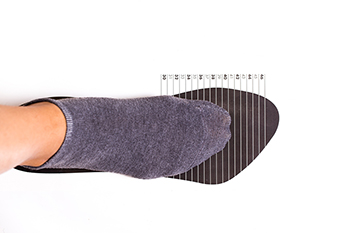
Maintaining good foot health is essential to ensuring that your entire body is healthy and intact. It is estimated that millions of people across the United States experience some foot pain or condition because of ill-fitting shoes. Therefore, knowing how shoes ought to fit your feet and what to look for when you go shoe shopping can positively impact the health and vitality of your feet. While each person’s shoe shopping experience is unique, there are several rules of thumb that might apply to everyone. First, you might be especially mindful of finding a shoe that mirrors the shape of your foot. Although it might seem obvious, many people overlook how important it is to select shoes that are not smaller or narrower than the natural shape of their own foot. Additionally, one must be mindful of the fact that shoe sizes are not uniform across brands or shoe types. Therefore, instead of relying exclusively on your numerical shoe size when shopping, you might consider using these numbers as guides, focusing more on the fit of the shoe than the size. Lastly, look for shoes that provide adequate space in the toe box of the shoe. In a good-fitting pair of shoes, your longest toe will not rest flush against the front of the shoe. Leave at most one half an inch between your longest toe and the front of the shoe. For more tips on how to shop for a good pair of shoes, consult a podiatrist.
Finding a properly-fitting shoe is important in reducing injuries and preventing foot problems. For more information about treatment, contact Barry P. Weinstein, DPM from Bellaire Podiatry. Our doctor will treat your foot and ankle needs.
Proper Shoe Fitting
A common concern when it comes to foot health, having properly fitted shoes can help prevent injuries to the foot. Out feet affect our posture and gait, which in turn affects the biomechanics and overall bodily structure. With 33 joints, 26 bones, and over 100 ligaments, the potential for serious injury is much greater than one realizes. Although the feet cease growth in adulthood, they still change shape as they mature. Here are some factors to consider when it comes to investing in proper fitting shoes:
Keeping in mind how shoes fit the biomechanics of your body, properly-fitting shoes are vitally important. Fortunately, it is not difficult to acquire footwear that fits correctly. Be sure to wear shoes that support the overall structure of your body. Do your feet a favor and invest in several pairs of well-fitted shoes today.
If you have any questions please feel free to contact one of our offices located in Bellaire and Houston, TX . We offer the newest diagnostic and treatment technologies for all your foot and ankle needs.





 accessibility - Default