

Ankle sprains and strains are injuries that can significantly impact your mobility and daily activities. A sprain occurs when the ligaments, which are the tough bands of tissue connecting bones at the ankle joint, are abnormally stretched or torn. Conversely, a strain involves similar damage but affects muscles or tendons, which are the tissues that connect muscles to ankle bones. These injuries can result from repetitive motions or a sudden incident, like a twist or fall. Diagnosis by a podiatrist typically involves a medical history review and physical examination, and may include imaging tests, such as X-rays, CT scans, or MRIs. While most sprains and strains heal over time with rest, bracing, and anti-inflammatory medications, more severe cases may require surgery for a full recovery. It is important to manage these injuries properly to prevent chronic pain or instability. If you experience an ankle sprain or strain, it is suggested that you contact a podiatrist who can provide an accurate diagnosis, tailored treatment plan, and guidance on rehabilitation exercises.
Although ankle sprains are common, they aren’t always minor injuries. If you need your ankle injury looked at, contact Barry P. Weinstein, DPM from Bellaire Podiatry. Our doctor can provide the care you need to keep you pain-free and on your feet.
How Does an Ankle Sprain Occur?
Ankle sprains are the result of a tear in the ligaments within the ankle. These injuries may happen when you make a rapid shifting movement while your foot is planted. A less common way to sprain your ankle is when your ankle rolls inward while your foot turns outward.
What Are the Symptoms?
Preventing a Sprain
Treatment of a Sprain
In many cases, the RICE method (Rest, Ice, Compression, and Elevate) is used to treat ankle sprains. However, you should see a podiatrist to see which treatment option would work best with your injury. In severe cases, surgery may be required.
It is important to ask your doctor about rehab options after you receive treatment for your injury. Stretching, strength training, and balance exercises may help the ankle heal while also preventing further injury.
If you have any questions, please feel free to contact one of our offices located in Bellaire and Houston, TX . We offer the newest diagnostic and treatment technologies for all your foot care needs.

Your feet are covered most of the day. If you're diabetic, periodic screening is important for good health. Numbness is often a sign of diabetic foot and can mask a sore or wound.
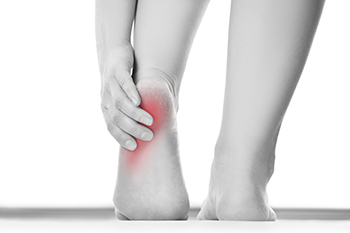
Plantar heel pain is a foot complaint that can arise from various causes, ranging from everyday activities to less common medical conditions. Typically, this pain is due to plantar fasciitis, causing the band of tissue that runs along the bottom of the foot to become inflamed. Other common causes include heel spurs, arthritis, and excessive walking or running. Less frequently, it can be caused by conditions including nerve entrapment or cysts in the heel. Symptoms generally include a sharp, stabbing pain in the bottom of the heel that is most intense with the first steps after waking up or after long periods of rest. Diagnosis usually involves a physical examination, patient history, and sometimes imaging tests like X-rays to rule out bone problems. Treatment options range from rest to more involved methods such as custom orthotics, anti-inflammatory medications, and, in severe cases, surgery. If you have persistent heel pain, it is suggested that you consult a podiatrist for a targeted treatment for relief.
Many people suffer from bouts of heel pain. For more information, contact Barry P. Weinstein, DPM of Bellaire Podiatry. Our doctor can provide the care you need to keep you pain-free and on your feet.
Causes of Heel Pain
Heel pain is often associated with plantar fasciitis. The plantar fascia is a band of tissues that extends along the bottom of the foot. A rip or tear in this ligament can cause inflammation of the tissue.
Achilles tendonitis is another cause of heel pain. Inflammation of the Achilles tendon will cause pain from fractures and muscle tearing. Lack of flexibility is also another symptom.
Heel spurs are another cause of pain. When the tissues of the plantar fascia undergo a great deal of stress, it can lead to ligament separation from the heel bone, causing heel spurs.
Why Might Heel Pain Occur?
Treatments
Heel pain should be treated as soon as possible for immediate results. Keeping your feet in a stress-free environment will help. If you suffer from Achilles tendonitis or plantar fasciitis, applying ice will reduce the swelling. Stretching before an exercise like running will help the muscles. Using all these tips will help make heel pain a condition of the past.
If you have any questions please contact one of our offices located in Bellaire and Houston, TX . We offer the newest diagnostic and treatment technologies for all your foot and ankle needs.
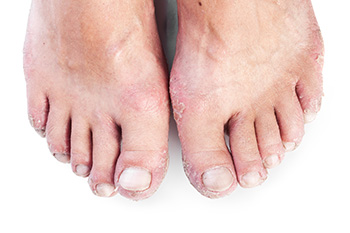
Deciphering whether you have an athlete’s foot infection or psoriasis on the feet can be difficult. Understanding the symptoms can help. Athlete’s foot, a contagious fungal infection thriving in warm, moist environments, typically appears as red, scaly patches between toes or under nails. It may cause itching and discomfort if untreated. On the other hand, psoriasis, an autoimmune disorder, manifests with similar symptoms but is not contagious. Psoriasis lesions may cause silvery scales and vary in color over time. They often involve the soles and nails, causing soreness or tenderness. Nail changes, like pitting or discoloration, are common in psoriasis. While athlete’s foot primarily itches, psoriasis can lead to joint stiffness in addition to discomfort. Treatment approaches also differ. Athlete's foot is usually treated with antifungal medications, while psoriasis management may involve topical treatments, light therapy, or systemic medications. If you have a type of rash on your feet, it is suggested that you schedule an appointment with a podiatrist for a proper diagnosis and appropriate treatment.
Everyday foot care is very important to prevent infection and other foot ailments. If you need your feet checked, contact Barry P. Weinstein, DPM from Bellaire Podiatry. Our doctor can provide the care you need to keep you pain-free and on your feet.
Everyday Foot Care
Often, people take care of their bodies, face and hair more so than they do for their feet. But the feet are a very important aspect of our bodies, and one that we should pay more attention to. Without our feet, we would not be able to perform most daily tasks.
It is best to check your feet regularly to make sure there are no new bruises or cuts that you may not have noticed before. For dry feet, moisturizer can easily be a remedy and can be applied as often as necessary to the affected areas. Wearing shoes that fit well can also help you maintain good foot health, as well as making it easier to walk and do daily activities without the stress or pain of ill-fitting shoes, high heels, or even flip flops. Wearing clean socks with closed shoes is important to ensure that sweat and bacteria do not accumulate within the shoe. Clean socks help to prevent Athlete’s foot, fungi problems, bad odors, and can absorb sweat.
If you have any questions please feel free to contact one of our offices located in Bellaire and Houston, TX . We offer the newest diagnostic and treatment technologies for all your foot and ankle needs.

A broken ankle, medically termed ankle fracture, poses significant risks and complications, particularly for active individuals and the elderly. Active individuals are often at risk due to participation in high-impact activities, while the elderly are susceptible due to factors such as decreased bone density and balance issues. One potential complication of a broken ankle is the development of osteoarthritis in the affected joint over time. This occurs due to the disruption of the joint's normal structure and function during the healing process, leading to cartilage degeneration and subsequent pain and stiffness. Elderly individuals, especially those with diabetes, are also prone to complications such as wound healing issues and infections, which can prolong recovery and increase the risk of further complications. Treatment for a broken ankle typically involves immobilization with a cast or brace and pain management. If you have sustained an ankle fracture, it is suggested that you schedule an appointment with a podiatrist who can provide comprehensive care, including monitoring for complications, optimizing rehabilitation, and providing long-term management for optimal foot health.
Broken ankles need immediate treatment. If you are seeking treatment, contact Barry P. Weinstein, DPM from Bellaire Podiatry. Our doctor can provide the care you need to keep you pain-free and on your feet.
Broken Ankles
A broken ankle is experienced when a person fractures their tibia or fibula in the lower leg and ankle area. Both of these bones are attached at the bottom of the leg and combine to form what we know to be our ankle.
When a physician is referring to a break of the ankle, he or she is usually referring to a break in the area where the tibia and fibula are joined to create our ankle joint. Ankles are more prone to fractures because the ankle is an area that suffers a lot of pressure and stress. There are some obvious signs when a person experiences a fractured ankle, and the following symptoms may be present.
Symptoms of a Fractured Ankle
If you suspect an ankle fracture, it is recommended to seek treatment as soon as possible. The sooner you have your podiatrist diagnose the fracture, the quicker you’ll be on the way towards recovery.
If you have any questions, please feel free to contact one of our offices located in Bellaire and Houston, TX . We offer the newest diagnostic and treatment technologies for all your foot care needs.

Podiatrists specialize in diagnosing, treating, and preventing various foot and ankle conditions. These medically trained foot doctors address common conditions such as plantar fasciitis, bunions, heel spurs, ingrown toenails, and diabetic foot complications, to name a few. They conduct thorough evaluations with diagnostic tools, including X-rays, imaging tests, and medical histories to formulate comprehensive treatment plans tailored to each patient's needs. Treatment modalities may include medication, orthotic devices, and surgical interventions when necessary. With their expertise and dedication, podiatrists empower individuals to maintain optimal foot health, alleviate discomfort, and regain mobility, enhancing their overall quality of life. The feet are the foundation of the body and having foot pain can wreak havoc on daily activities. If you have foot pain for any reason, it is strongly suggested that you visit a podiatrist who can offer you appropriate treatment measures.
If you are dealing with pain in your feet and ankles, you may want to seek help from a podiatrist. Feel free to contact Barry P. Weinstein, DPM from Bellaire Podiatry. Our doctor can provide the care you need to keep you pain-free and on your feet.
What Is a Podiatrist?
A podiatrist is a doctor of podiatric medicine who diagnoses and treats conditions of the foot, ankle, and related structures of the leg. Your podiatrist may specialize in a certain field such as sports medicine, wound care, pediatrics, and diabetic care. Podiatrists have the ability to become board certified through training, clinical experience, and then taking an exam.
What Do Podiatrists Do?
On a daily basis, a podiatrist may perform the following activities:
It is very important that you take care of your feet. It’s easy to take having healthy feet for granted, however foot problems tend to be among the most common health conditions. Podiatrists can help diagnose and treat a variety of feet related conditions, so it is crucial that you visit one if you need assistance.
If you have any questions please feel free to contact one of our offices located in Bellaire and Houston, TX . We offer the newest diagnostic and treatment technologies for all your foot and ankle needs.

You don't need an excuse to have beautiful nails. Step outside without worrying about the appearance of your feet.

Preventing and managing running injuries requires a multifaceted approach due to their multifactorial nature. Common risk factors include overtraining, wearing improper footwear, biomechanical imbalances, and inadequate recovery. To mitigate these risks, it is helpful for runners to incorporate a variety of strategies, including proper warm-up and cool-down routines, gradual increases in mileage, strength training, and flexibility exercises. Additionally, ensuring proper footwear selection and addressing any biomechanical issues through gait analysis and orthotic interventions can help prevent injuries. In the event of an injury, treatment may involve rest, compression, elevation, and in some cases, less conservative interventions. If you are a runner and have sustained a running injury, or if you want to make sure you avoid injuries in the future, it is suggested that you schedule an appointment with a podiatrist who can offer expert advice in foot and ankle biomechanics, gait analysis, injury assessment, and customized orthotic interventions.
Exercising your feet regularly with the proper foot wear is a great way to prevent injuries. If you have any concerns about your feet, contact Barry P. Weinstein, DPM of Bellaire Podiatry. Our doctor will treat your foot and ankle needs.
How to Prevent Running Injuries
Many common running injuries are caused by overuse and overtraining. When the back of the kneecap starts wearing out and starts causing pain in your knee, this is commonly referred to as runner’s knee. Runner’s knee is a decrease in strength in your quadriceps and can occur if you’re not wearing properly fitted or supporting shoes. To prevent runner’s knee, focusing on hip strengthening is a good idea, as well as strengthening your quads to keep the kneecaps aligned.
What Are Some Causes of Running Injuries?
- One cause of a common running injury is called iliotibial band syndrome.
- Plantar fasciitis is also another common injury.
- Stress fractures can occur from overtraining, lack of calcium, or even your running style.
Best Ways to Prevent Running Injuries
- Wear footwear that fits properly and suits your running needs.
- Running shoes are the only protective gear that runners have to safeguard them from injury.
- Make a training schedule. Adding strengthening exercises as well as regular stretching can help keep you strong and limber and can lessen the possibility of injuries.
- Stretching keeps muscles limber; this will help you gain better flexibility.
If you have any questions please feel free to contact one of our offices located in Bellaire and Houston, TX . We offer the newest diagnostic and treatment technologies for all your foot and ankle needs.

Throughout pregnancy, the body adapts to accommodate the developing baby. The uterus enlarges, shifting the body's center of gravity forward and upward, improving stability and balance. Relaxin, a hormone mainly found in the third trimester, relaxes ligaments, causing the feet to lengthen, flatten, and widen. These foot changes can become permanent for some women. Additionally, the combination of structural adjustments, increased weight, and greater pressure on the lower limbs frequently leads to swelling in the legs and feet. Despite these transformations, proactive measures can mitigate discomfort and promote foot health during pregnancy. Opting for supportive footwear, elevating the feet when feasible, engaging in gentle exercises, and maintaining a healthy weight are advisable. If you are pregnant and experiencing concerning changes in your feet, it is suggested that you schedule an appointment with a podiatrist who can further aid in managing foot-related issues, as they offer tailored solutions to alleviate discomfort and support overall foot health throughout pregnancy and beyond.
Pregnant women with swollen feet can be treated with a variety of different methods that are readily available. For more information about other cures for swollen feet during pregnancy, consult with Barry P. Weinstein, DPM from Bellaire Podiatry. Our doctor will attend to all of your foot and ankle needs.
What Foot Problems Can Arise During Pregnancy?
One problem that can occur is overpronation, which occurs when the arch of the foot flattens and tends to roll inward. This can cause pain and discomfort in your heels while you’re walking or even just standing up, trying to support your baby.
Another problem is edema, or swelling in the extremities. This often affects the feet during pregnancy but tends to occur in the later stages.
How Can I Keep My Feet Healthy During Pregnancy?
If you have any questions please feel free to contact one of our offices located in Bellaire and Houston, TX . We offer the newest diagnostic and treatment technologies for all your foot and ankle needs.
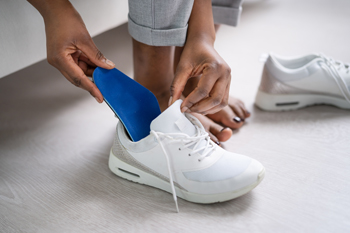
Custom-made orthotics offer significant benefits to individuals who are physically active by providing better alignment, balance, and improved mechanics. These orthotic shoe inserts are tailored to each individual's unique foot structure and biomechanics, ensuring optimal support and stability during physical activity. By correcting imbalances and redistributing pressure, custom orthotics help alleviate pain and reduce the risk of injuries, such as shin splints, plantar fasciitis, and stress fractures. Additionally, orthotics can improve gait efficiency, enhancing performance in activities, such as running, jumping, and sports. The precise fit and support offered by custom orthotics help maintain proper alignment of the feet, ankles, and lower limbs, minimizing strain on muscles and joints. If you are physically active, it is suggested that you make an appointment with a podiatrist to discuss if custom-made orthotics can support your active lifestyle and improve more comfortable performance.
If you are having discomfort in your feet and would like to try orthotics, contact Barry P. Weinstein, DPM from Bellaire Podiatry. Our doctor can provide the care you need to keep you pain-free and on your feet.
What Are Orthotics?
Orthotics are inserts you can place into your shoes to help with a variety of foot problems such as flat feet or foot pain. Orthotics provide relief and comfort for minor foot and heel pain but can’t correct serious biomechanical problems in your feet.
Over-the-Counter Inserts
Orthotics come in a wide variety of over-the-counter inserts that are used to treat foot pain, heel pain, and minor problems. For example, arch supports can be inserted into your shoes to help correct overarched or flat feet, while gel insoles are often used because they provide comfort and relief from foot and heel pain by alleviating pressure.
Prescription Orthotics
If over-the-counter inserts don’t work for you or if you have a more severe foot concern, it is possible to have your podiatrist prescribe custom orthotics. These high-quality inserts are designed to treat problems such as abnormal motion, plantar fasciitis, and severe forms of heel pain. They can even be used to help patients suffering from diabetes by treating foot ulcers and painful calluses and are usually molded to your feet individually, which allows them to provide full support and comfort.
If you are experiencing minor to severe foot or heel pain, it’s recommended to speak with your podiatrist about the possibilities of using orthotics. A podiatrist can determine which type of orthotic is right for you and allow you to take the first steps towards being pain-free.
If you have any questions please contact one of our offices located in Bellaire and Houston, TX . We offer the newest diagnostic and treatment technologies for all your foot and ankle needs.





 accessibility - Default