

Foot cramps occur when the muscles in your foot or toes suddenly contract, leading to discomfort or pain. These foot cramps can happen to anyone, often striking at night or during periods of rest. While many foot cramps are harmless and resolve on their own, frequent or severe cramps may signal underlying issues. Possible causes include dehydration, deficiencies in minerals like potassium or magnesium, or overuse of the foot muscles. In some cases, foot cramps may be related to more serious health conditions, such as peripheral artery disease, diabetes, or nerve compression. Wearing improper footwear, like high heels or shoes that lack support, can also contribute to the problem. Preventive strategies include staying hydrated, ensuring adequate mineral intake, and choosing supportive footwear. However, if foot cramps become frequent or painful, it’s important to seek medical help from a podiarist. If you frequently experience foot cramps, it is suggested that you schedule an appointment with this type of healcare professional for a diagnosis and treatment options.
Foot Pain
Foot pain can be extremely painful and debilitating. If you have a foot pain, consult with Barry P. Weinstein, DPM from Bellaire Podiatry. Our doctor will assess your condition and provide you with quality foot and ankle treatment.
Causes
Foot pain is a very broad condition that could be caused by one or more ailments. The most common include:
Diagnosis
To figure out the cause of foot pain, podiatrists utilize several different methods. This can range from simple visual inspections and sensation tests to X-rays and MRI scans. Prior medical history, family medical history, and any recent physical traumatic events will all be taken into consideration for a proper diagnosis.
Treatment
Treatment depends upon the cause of the foot pain. Whether it is resting, staying off the foot, or having surgery; podiatrists have a number of treatment options available for foot pain.
If you have any questions, please feel free to contact one of our offices located in Bellaire and Houston, TX . We offer the newest diagnostic and treatment technologies for all your foot care needs.

Ingrown toenails occur when the edge of the toenail grows into the surrounding skin, causing pain, swelling, and sometimes infection. Common causes include improper nail trimming, where nails are cut too short or rounded, leading to the nail growing into the skin. Tight or ill-fitting shoes can also press the toenail into the skin, making the problem worse. Genetic factors and trauma to the toenail, such as stubbing or injury, may contribute to the condition as well. Preventing ingrown toenails involves several strategies. First, trim toenails straight across without rounding the edges, and avoid cutting them too short. Wearing well-fitting shoes with enough toe room can reduce pressure on the toenails. Maintaining good foot hygiene helps prevent infections if an ingrown toenail does occur. If symptoms persist or an infection develops, it's suggested you contact a podiatrist for appropriate treatment and to avoid complications.
Ingrown toenails may initially present themselves as a minor discomfort, but they may progress into an infection in the skin without proper treatment. For more information about ingrown toenails, contact Barry P. Weinstein, DPM of Bellaire Podiatry. Our doctor can provide the care you need to keep you pain-free and on your feet.
Ingrown Toenails
Ingrown toenails are caused when the corner or side of a toenail grows into the soft flesh surrounding it. They often result in redness, swelling, pain, and in some cases, infection. This condition typically affects the big toe and may recur if it is not treated properly.
Causes
You are more likely to develop an ingrown toenail if you are obese, have diabetes, arthritis, or have any fungal infection in your nails. Additionally, people who have foot or toe deformities are at a higher risk of developing an ingrown toenail.
Symptoms
Some symptoms of ingrown toenails are redness, swelling, and pain. In rare cases, there may be a yellowish drainage coming from the nail.
Treatment
Ignoring an ingrown toenail can have serious complications. Infections of the nail border can progress to a deeper soft-tissue infection, which can then turn into a bone infection. You should always speak with your podiatrist if you suspect you have an ingrown toenail, especially if you have diabetes or poor circulation.
If you have any questions, please feel free to contact one of our offices located in Bellaire and Houston, TX . We offer the newest diagnostic and treatment technologies for all your foot care needs.
 Ankle muscle strength is important for maintaining stability, balance, and overall mobility. Strong ankle muscles support daily activities such as walking, running, and jumping, and help prevent injuries by providing support and absorbing shock. Ankle muscle testing evaluates the strength and functionality of the muscles surrounding the ankle joint. This assessment helps to identify weaknesses or imbalances that may contribute to instability or increased injury risk. Testing typically involves exercises and movements that challenge the ankle's range of motion and strength, such as resistance tests and functional tasks. Poor ankle strength can result from injury, inactivity, or medical conditions like arthritis. If ankle strength is found to be poor, targeted exercises, and strength training can help improve muscle function. Addressing underlying causes, such as correcting biomechanical issues or treating injuries, is also essential to restoring optimal ankle strength and function. If you have ankle pain and feel weakness in your ankles, it is suggested that you schedule an appointment with a podiatrist for an evaluation and treatment options.
Ankle pain can have many different causes and the pain may potentially be serious. If you have ankle pain, consult with Barry P. Weinstein, DPM from Bellaire Podiatry. Our doctor will assess your condition and provide you with quality foot and ankle treatment.
Ankle pain is any condition that causes pain in the ankle. Due to the fact that the ankle consists of tendons, muscles, bones, and ligaments, ankle pain can come from a number of different conditions.
Causes
The most common causes of ankle pain include:
Symptoms
Symptoms of ankle injury vary based upon the condition. Pain may include general pain and discomfort, swelling, aching, redness, bruising, burning or stabbing sensations, and/or loss of sensation.
Diagnosis
Due to the wide variety of potential causes of ankle pain, podiatrists will utilize a number of different methods to properly diagnose ankle pain. This can include asking for personal and family medical histories and of any recent injuries. Further diagnosis may include sensation tests, a physical examination, and potentially x-rays or other imaging tests.
Treatment
Just as the range of causes varies widely, so do treatments. Some more common treatments are rest, ice packs, keeping pressure off the foot, orthotics and braces, medication for inflammation and pain, and surgery.
If you have any questions, please feel free to contact one of our offices located in Bellaire and Houston, TX . We offer the newest diagnostic and treatment technologies for all your foot care needs.
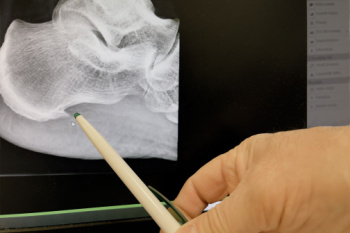
Heel spurs, medically termed calcaneal spurs, are bony outgrowths that develop on the underside of the heel bone. They often form in response to long-term inflammation and tension of the plantar fascia, which is the fibrous band of tissue that connects the heel to the toes. This condition, known as plantar fasciitis, is a common cause of heel spurs. Other factors contributing to heel spur formation include excessive strain on the feet from activities like running or standing for prolonged periods, obesity, and wearing poorly fitting shoes that lack adequate support. Diagnosing heel spurs typically involves a thorough physical examination by a podiatrist, focusing on symptoms like heel pain, especially upon waking or after long periods of rest. Imaging studies like X-rays may confirm the presence of a heel spur and help guide treatment options, which may include orthotics, stretching exercises, or in severe cases, surgery to alleviate symptoms. If you have heel pain, it is suggested that you consult a podiatrist who can provide an accurate diagnosis and proper treatment.
Heel spurs can be incredibly painful and sometimes may make you unable to participate in physical activities. To get medical care for your heel spurs, contact Barry P. Weinstein, DPM from Bellaire Podiatry. Our doctor will do everything possible to treat your condition.
Heels Spurs
Heel spurs are formed by calcium deposits on the back of the foot where the heel is. This can also be caused by small fragments of bone breaking off one section of the foot, attaching onto the back of the foot. Heel spurs can also be bone growth on the back of the foot and may grow in the direction of the arch of the foot.
Older individuals usually suffer from heel spurs and pain sometimes intensifies with age. One of the main condition's spurs are related to is plantar fasciitis.
Pain
The pain associated with spurs is often because of weight placed on the feet. When someone is walking, their entire weight is concentrated on the feet. Bone spurs then have the tendency to affect other bones and tissues around the foot. As the pain continues, the feet will become tender and sensitive over time.
Treatments
There are many ways to treat heel spurs. If one is suffering from heel spurs in conjunction with pain, there are several methods for healing. Medication, surgery, and herbal care are some options.
If you have any questions feel free to contact one of our offices located in Bellaire and Houston, TX . We offer the latest in diagnostic and treatment technology to meet your needs.

Suffering from this type of pain? You may have the foot condition known as Morton's neuroma. Morton's neuroma may develop as a result of ill-fitting footwear and existing foot deformities. We can help.
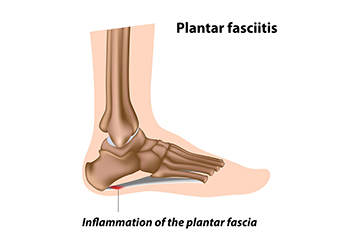
The plantar fascia is a thick band of tissue that connects the heel to the toes. Plantar fasciitis, an inflammation of this tissue, can stem from various biomechanical factors. Problems like an abnormal lower leg structure, limited ankle movement, and inward or outward heel or foot angles can strain the plantar fascia. These abnormalities can alter foot mechanics, leading to excessive tension and micro-tears in the fascia. Symptoms include sharp heel pain, especially after prolonged periods of standing or walking, which tends to improve with rest but worsens upon resuming activity. Early morning stiffness and tenderness in the heel or arch are also common. Addressing these biomechanical issues through proper footwear, orthotics, stretching exercises, and avoiding excessive strain on the feet can help to manage symptoms and prevent recurrence of this ailment. If you have been afflicted by plantar fasciitis, it is suggested that you confer with a podiatrist who can offer you various effective treatment methods.
Plantar fasciitis is a common foot condition that is often caused by a strain injury. If you are experiencing heel pain or symptoms of plantar fasciitis, contact Barry P. Weinstein, DPM from Bellaire Podiatry. Our doctor can provide the care you need to keep you pain-free and on your feet.
What Is Plantar Fasciitis?
Plantar fasciitis is one of the most common causes of heel pain. The plantar fascia is a ligament that connects your heel to the front of your foot. When this ligament becomes inflamed, plantar fasciitis is the result. If you have plantar fasciitis you will have a stabbing pain that usually occurs with your first steps in the morning. As the day progresses and you walk around more, this pain will start to disappear, but it will return after long periods of standing or sitting.
What Causes Plantar Fasciitis?
There are some risk factors that may make you more likely to develop plantar fasciitis compared to others. The condition most commonly affects adults between the ages of 40 and 60. It also tends to affect people who are obese because the extra pounds result in extra stress being placed on the plantar fascia.
Prevention
There are a variety of treatment options available for plantar fasciitis along with the pain that accompanies it. Additionally, physical therapy is a very important component in the treatment process. It is important that you meet with your podiatrist to determine which treatment option is best for you.
If you have any questions, please feel free to contact one of our offices located in Bellaire and Houston, TX . We offer the newest diagnostic and treatment technologies for all your foot care needs.
 Sharp pain in the big toe can be caused by various conditions, each requiring different treatments. Common culprits can include bunions, ingrown toenails, turf toe, arthritis, sesamoiditis, gout, and injuries like sprains or fractures. Bunions cause deformity and pain at the base of the toe, often due to wearing ill-fitting shoes or prolonged standing. Ingrown toenails, usually from improper nail trimming or pressure from tight shoes, can cause significant pain and swelling. Turf toe results from excessive stress on the big toe joint, which is common among athletes. Sesamoiditis, affecting the tiny bones under the big toe, causes dull, intermittent pain. Gout, a metabolic disorder, triggers sudden, severe pain due to uric acid crystal buildup. Lastly, sprains and fractures from trauma or overextension cause throbbing pain and swelling. Persistent or severe symptoms require an evaluation from a podiatrist. This foot doctor can diagnose the cause and suggest appropriate treatments, including orthotics, medication, or possibly surgery. If you are suffering pain in the big toe, it is suggested that you schedule an appointment with a podiatrist for an exam, diagnosis, and treatment options.
Toe pain can disrupt your daily activities. If you have any concerns, contact Barry P. Weinstein, DPM of Bellaire Podiatry. Our doctor can provide the care you need to keep you pain-free and on your feet.
What Causes Toe Pain?
Most severe toe pain is caused due to a sports injury, trauma from dropping something heavy on the toe, or bumping into something rigid. Other problems can develop over time for various reasons.
Toe pain can be caused by one or more ailments. The most common include:
When to See a Podiatrist
Diagnosis
In many cases the cause of toe pain is obvious, but in others, a podiatrist may want to use more advanced methods to determine the problem. These can range from simple visual inspections and sensation tests to X-rays and MRI scans. Prior medical history, family medical history, and any recent physical traumatic events will all be taken into consideration for a proper diagnosis.
Treatment
Treatments for toe pain and injuries vary and may include shoe inserts, padding, taping, medicines, injections, and in some cases, surgery. If you believe that you have broken a toe, please see a podiatrist as soon as possible.
If you have any questions please feel free to contact one of our offices located in Bellaire and Houston, TX . We offer the newest diagnostic tools and technology to treat your foot and ankle needs.

Achilles tendon injuries can happen to anyone, but certain factors can increase the likelihood. Changes in training schedules or intensity, such as adding more miles to a running routine or incorporating explosive exercises can strain the Achilles tendon. Sudden switching of playing surfaces or footwear can also contribute to Achilles tendon injury risk. Tight or weak calf muscles, excessive pronation, or the rolling inward of the foot, and chronic ankle instability can place additional stress on the tendon. Regularly wearing high heels can shorten the Achilles tendon, making it more susceptible to injury. Excessive training, particularly running on hills, exposes the tendon to repeated micro-traumas. Increasing age reduces blood supply to tendons, making them more prone to injury. People with high-arched feet and certain types of arthritis are at a higher risk of developing Achilles tendinopathy. If you have suffered an Achilles tendon injury, it is suggested that you schedule an appointment with a podiatrist for an exam and expert treatment.
Achilles tendon injuries need immediate attention to avoid future complications. If you have any concerns, contact Barry P. Weinstein, DPM of Bellaire Podiatry. Our doctor can provide the care you need to keep you pain-free and on your feet.
What Is the Achilles Tendon?
The Achilles tendon is a tendon that connects the lower leg muscles and calf to the heel of the foot. It is the strongest tendon in the human body and is essential for making movement possible. Because this tendon is such an integral part of the body, any injuries to it can create immense difficulties and should immediately be presented to a doctor.
What Are the Symptoms of an Achilles Tendon Injury?
There are various types of injuries that can affect the Achilles tendon. The two most common injuries are Achilles tendinitis and ruptures of the tendon.
Achilles Tendinitis Symptoms
Rupture Symptoms
Treatment and Prevention
Achilles tendon injuries are diagnosed by a thorough physical evaluation, which can include an MRI. Treatment involves rest, physical therapy, and in some cases, surgery. However, various preventative measures can be taken to avoid these injuries, such as:
If you have any questions please feel free to contact one of our offices located in Bellaire and Houston, TX . We offer the newest diagnostic tools and technology to treat your foot and ankle needs.
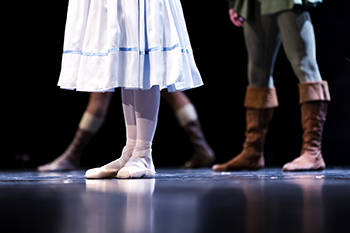 Dancers are prone to foot and ankle injuries due to the physical demands of their art. Risk factors can include inadequate warm-up, improper technique, and wearing unsuitable footwear. Overuse injuries, such as tendinitis and stress fractures, result from repetitive movements and intense training schedules. Acute injuries often occur from sudden movements or missteps, leading to sprains or fractures. Additionally, common ankle injuries in dancers include lateral ankle sprains, where the ligaments on the outside of the ankle are stretched or torn, and Achilles tendinitis, which causes pain and inflammation in the tendon connecting the calf muscle to the heel. Ensuring proper warm-up routines, using supportive footwear, and focusing on technique can help prevent these injuries. Regular strength and flexibility training also play a critical role in maintaining foot and ankle health for dancers. If you are engaged in any type of dance and have endured a foot or ankle injury, it is suggested that you visit a podiatrist who can offer effective treatment methods.
Sports related foot and ankle injuries require proper treatment before players can go back to their regular routines. For more information, contact Barry P. Weinstein, DPM of Bellaire Podiatry. Our doctor can provide the care you need to keep you pain-free and on your feet.
Sports Related Foot and Ankle Injuries
Foot and ankle injuries are a common occurrence when it comes to athletes of any sport. While many athletes dismiss the initial aches and pains, the truth is that ignoring potential foot and ankle injuries can lead to serious problems. As athletes continue to place pressure and strain the area further, a mild injury can turn into something as serious as a rupture and may lead to a permanent disability. There are many factors that contribute to sports related foot and ankle injuries, which include failure to warm up properly, not providing support or wearing bad footwear. Common injuries and conditions athletes face, including:
Sports related injuries are commonly treated using the RICE method. This includes rest, applying ice to the injured area, compression and elevating the ankle. More serious sprains and injuries may require surgery, which could include arthroscopic and reconstructive surgery. Rehabilitation and therapy may also be required in order to get any recovering athlete to become fully functional again. Any unusual aches and pains an athlete sustains must be evaluated by a licensed, reputable medical professional.
If you have any questions please feel free to contact one of our offices located in Bellaire and Houston, TX . We offer the newest diagnostic and treatment technologies for all your foot and ankle needs.

Have your child's feet been examined lately? Healthy feet are happy feet. If your child is complaining of foot pain, it may be a sign of underlying problems.





 accessibility - Default